Pioneering -
Innovative -
Creative



QTSC9, Quang Trung Software City, Trung My Tay Ward, Ho Chi Minh City, Vietnam


Scaling Globally with SaaS Application Development: Architecture & Security
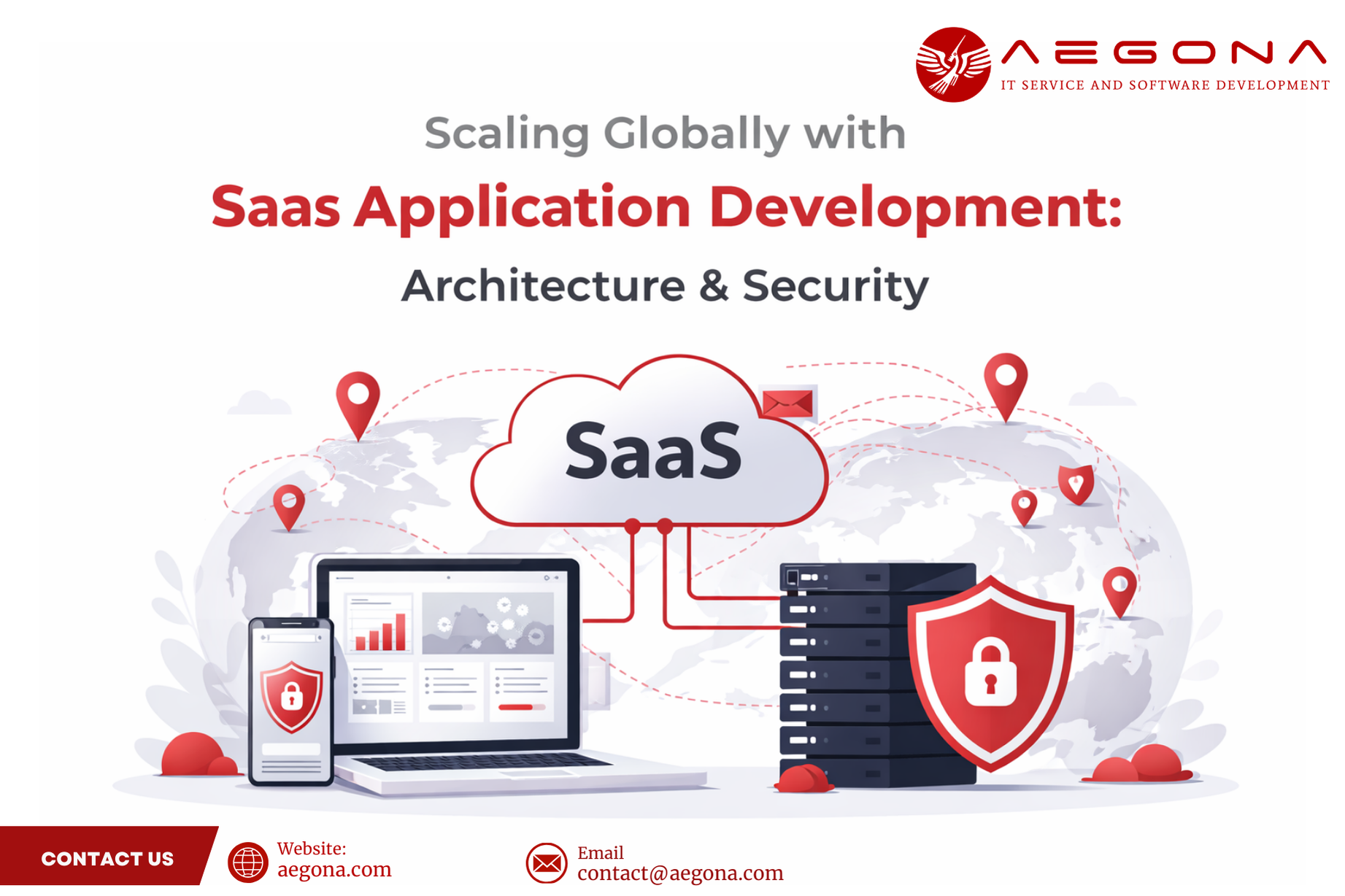
In today’s digital-first economy, SaaS (Software as a Service) has become the backbone of global business expansion. However, scaling a SaaS application beyond local markets is not simply about increasing infrastructure—it requires a well-designed architecture and a robust security strategy that can handle global users, data regulations, and performance demands.
This article explores how businesses can successfully scale SaaS applications worldwide, focusing on Architecture and Security—the two pillars that determine long-term success.
Understanding Global Scaling in SaaS
Scaling globally means your application must serve users across different regions with:
- Low latency and high availability
- Compliance with regional data regulations
- Strong security across distributed systems
- Flexibility to handle unpredictable traffic spikes
Without a scalable foundation, growth can quickly turn into technical debt and operational risk.
>>> Read more: AI + ERP: The Trend Driving Fully Automated Business Operations
1. Scalable SaaS Architecture for Global Expansion
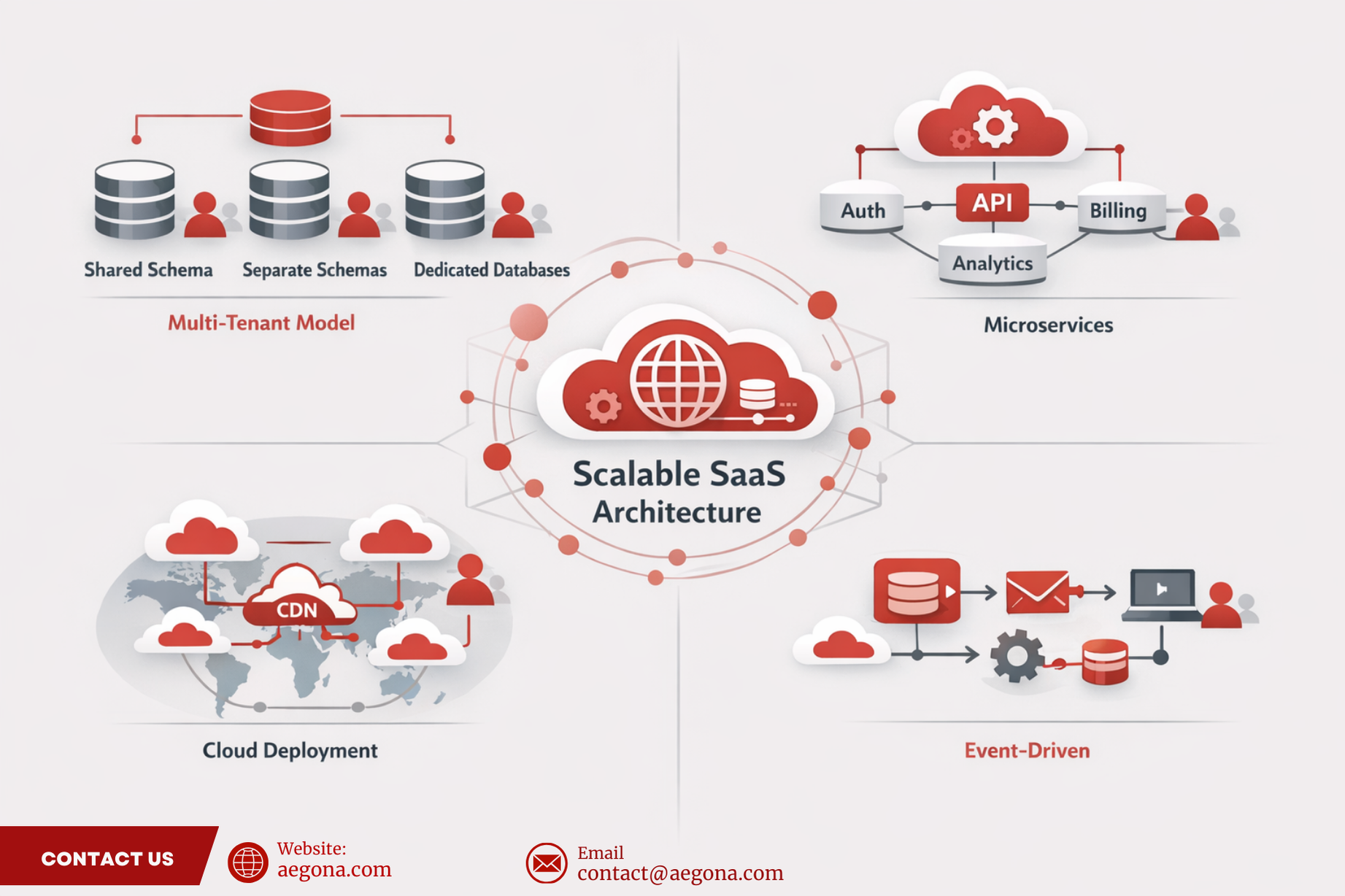
Multi-Tenant Architecture
Most SaaS platforms rely on multi-tenancy to serve multiple customers efficiently while maintaining data isolation.
Common approaches include:
- Shared database, shared schema (cost-efficient)
- Shared database, separate schema (balanced approach)
- Dedicated database per tenant (high security and enterprise-grade scalability)
Choosing the right model depends on your business domain—industries like fintech or healthcare often require stricter isolation.
Microservices Architecture
Modern SaaS platforms move away from monolithic systems and adopt microservices to improve scalability and flexibility.
Benefits include:
- Independent scaling of services
- Faster deployment cycles
Better fault isolation
Scalable SaaS Architecture for Global Expansion
Typical services may include authentication, billing, analytics, and notifications, all connected via APIs and managed through an API gateway.
Cloud-Native & Multi-Region Deployment
Leading cloud providers like Amazon Web Services, Google Cloud Platform, and Microsoft Azure enable SaaS applications to deploy across multiple geographic regions.
Best practices:
- Deploy services close to end users
- Use CDN for faster content delivery
- Enable database replication across regions
- Implement automatic failover mechanisms
This ensures both performance and resilience at a global scale.
Event-Driven Architecture
As systems grow, event-driven architecture becomes essential:
- Reduces tight coupling between services
- Enables asynchronous processing
- Improves scalability and responsiveness
Technologies like Kafka or RabbitMQ are widely used to implement this model.
>>> Read more: Secure, Scalable, and High-Performance CMS Development with Wagtail Experts
2. Security: The Foundation of Global SaaS
Scaling globally increases your attack surface. Security must be embedded from the beginning—not added later.
Identity & Access Management (IAM)
A strong IAM system ensures proper authentication and authorization:
- Multi-Factor Authentication (MFA)
- OAuth 2.0 / OpenID Connect
- Role-Based Access Control (RBAC)
This guarantees users only access what they are permitted to—and prevents cross-tenant data exposure.
Data Protection & Encryption
Protecting user data is critical:
- Encrypt data in transit (TLS)
- Encrypt data at rest (AES-256)
- Tokenize sensitive information
Additionally:
- Perform regular backups
- Maintain a disaster recovery plan
Compliance & Data Residency
Operating globally requires compliance with regulations such as:
- GDPR (Europe)
- HIPAA (U.S. healthcare)
- PDPA (Southeast Asia)
These regulations influence where and how data is stored, processed, and transferred.
Zero Trust Security Model
A Zero Trust approach assumes no request is inherently safe:
- Verify every request
- Apply least-privilege access
- Continuously monitor activity
This significantly reduces the risk of internal and external threats.
Application Security (AppSec)
Secure coding and testing practices are essential:
- Static and dynamic security testing (SAST/DAST)
- Regular penetration testing
- Protection against common vulnerabilities like SQL Injection, XSS, and CSRF
3. Performance & Observability
To maintain performance at scale, observability is key:
- Centralized logging systems
- Real-time monitoring tools
- Distributed tracing for microservices
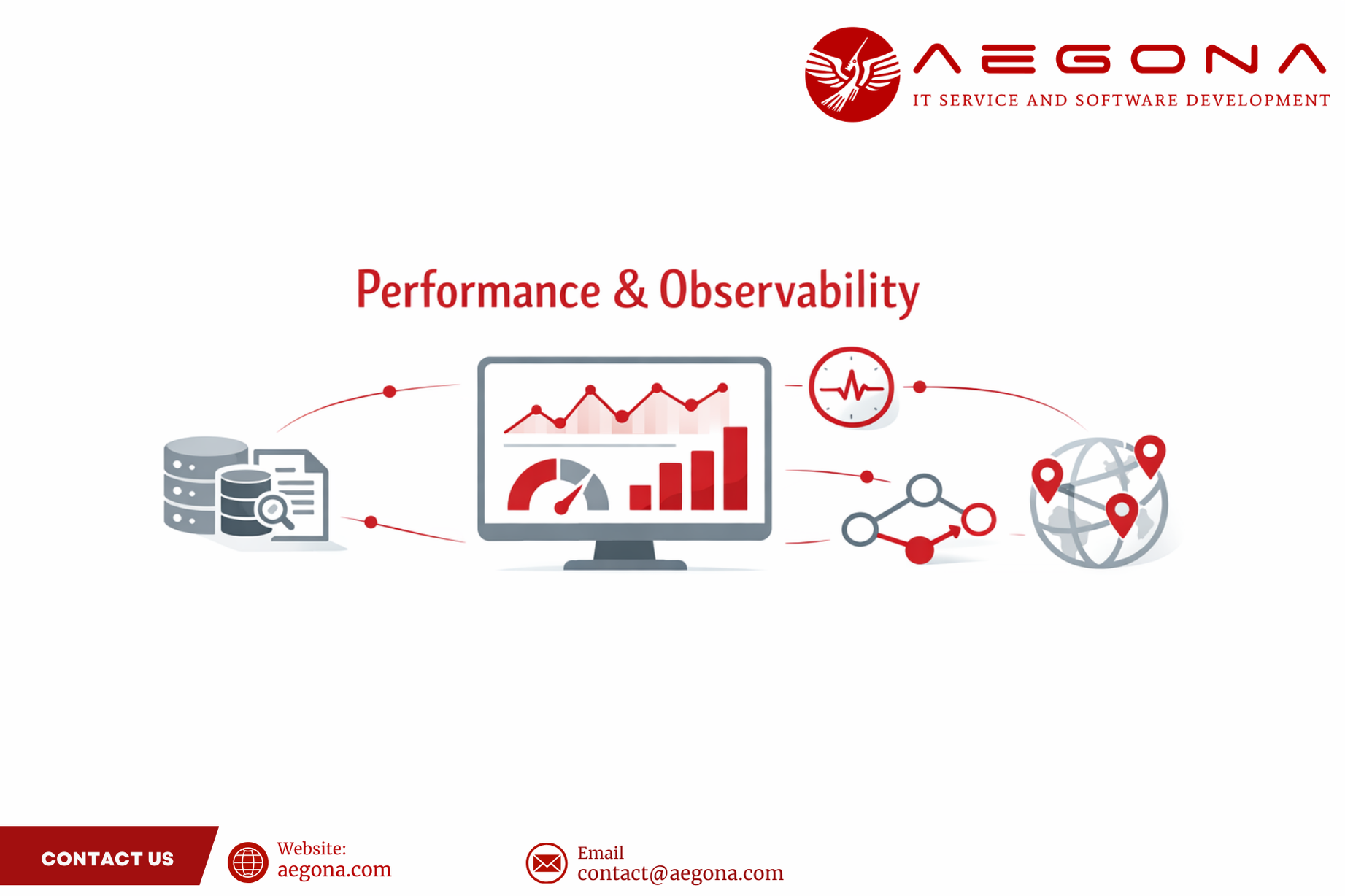
These tools help identify bottlenecks, troubleshoot issues quickly, and ensure a consistent user experience worldwide.
4. Cost Optimization at Scale
Scaling globally can significantly increase operational costs if not managed properly.
Key strategies include:
- Auto-scaling based on demand
- Serverless architecture to reduce idle costs
- Reserved instances for long-term savings
Efficient cost management ensures sustainable growth without overspending.
5. Lessons from Global SaaS Leaders
Companies like Netflix and Shopify demonstrate that:
- Systems often start as monoliths
- Gradual transition to microservices is key
- Automation and security are critical investments
- Global infrastructure must evolve with user growth
The takeaway: don’t over-engineer early, but design with scalability in mind.
Conclusion
Scaling a SaaS application globally is a complex journey that requires more than just technical upgrades. It demands a strategic approach to architecture, a security-first mindset, and continuous optimization.
A successful global SaaS platform is built on:
- Flexible, scalable architecture
- Cloud-native, multi-region infrastructure
- Strong security and compliance practices
- Continuous monitoring and performance tuning
With the right foundation, your SaaS product can confidently expand beyond borders and compete on a global scale.
FAQ
1. When should I move from monolith to microservices?
When your system becomes difficult to maintain, slow to deploy, or requires independent scaling of components.
2. Is multi-tenancy secure?
Yes, if properly designed with strong isolation, encryption, and access control.
3. Which cloud platform is best for global SaaS?
Amazon Web Services, Google Cloud Platform, and Microsoft Azure are all strong choices depending on your needs.
4. How can I reduce latency for global users?
Use CDNs, deploy across multiple regions, and optimize database replication.
5. What matters more: security or performance?
Both are critical, but security must come first—data breaches can be far more costly than performance issues.
Aegona – Your Partner in Global SaaS Development
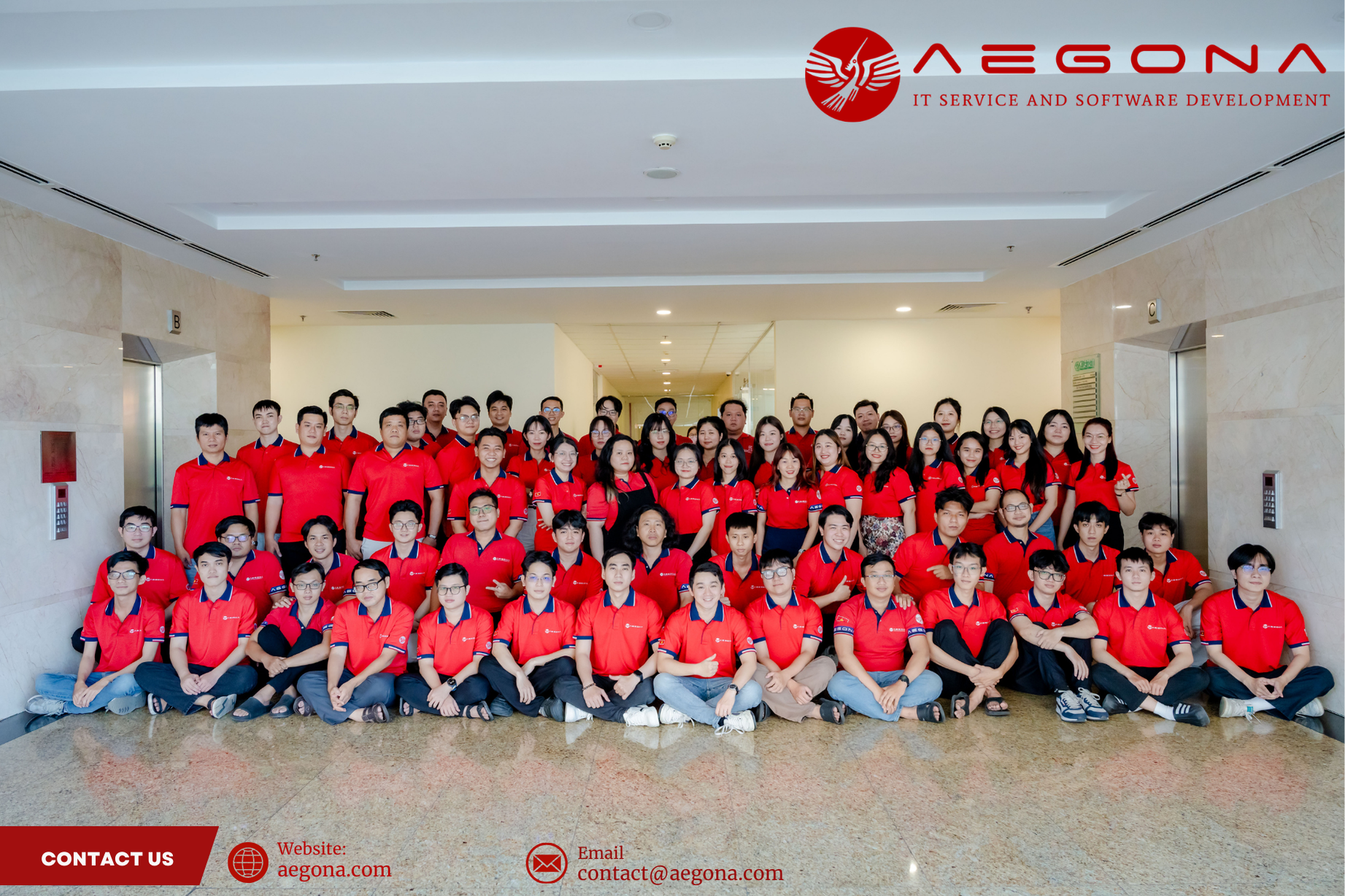
At Aegona, we help businesses design, build, and scale SaaS applications for global markets with confidence.
Our services include:
- Scalable SaaS architecture consulting
- Cloud-native application development
- Security and compliance implementation
- Dedicated development teams for long-term growth
Visit aegona.com to explore how Aegona can support your global SaaS journey.
related post
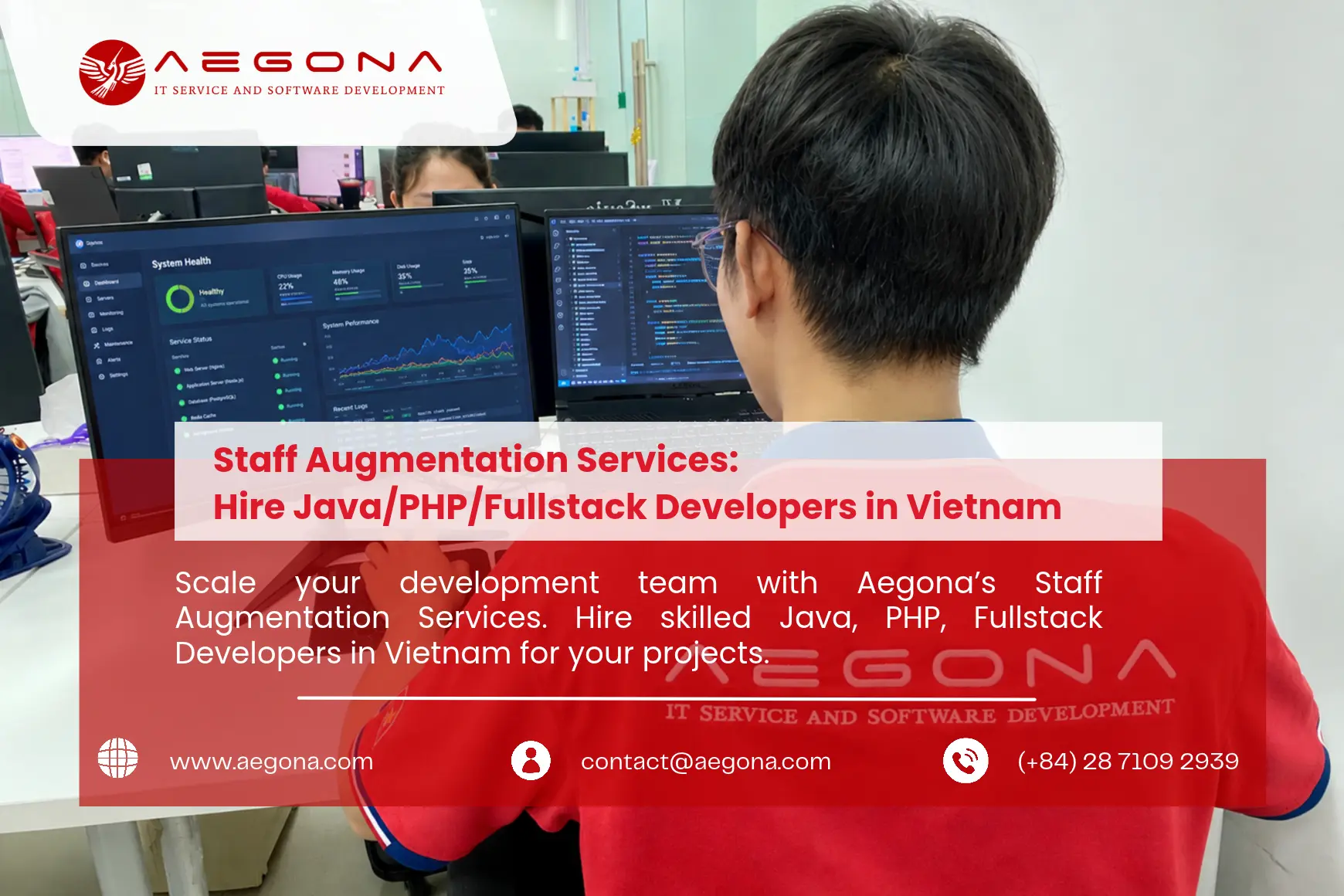
Scale your development team with Aegona’s Staff Augmentation Services. Hire skilled Java, PHP, Fullstack Developers in Vietnam for your projects.
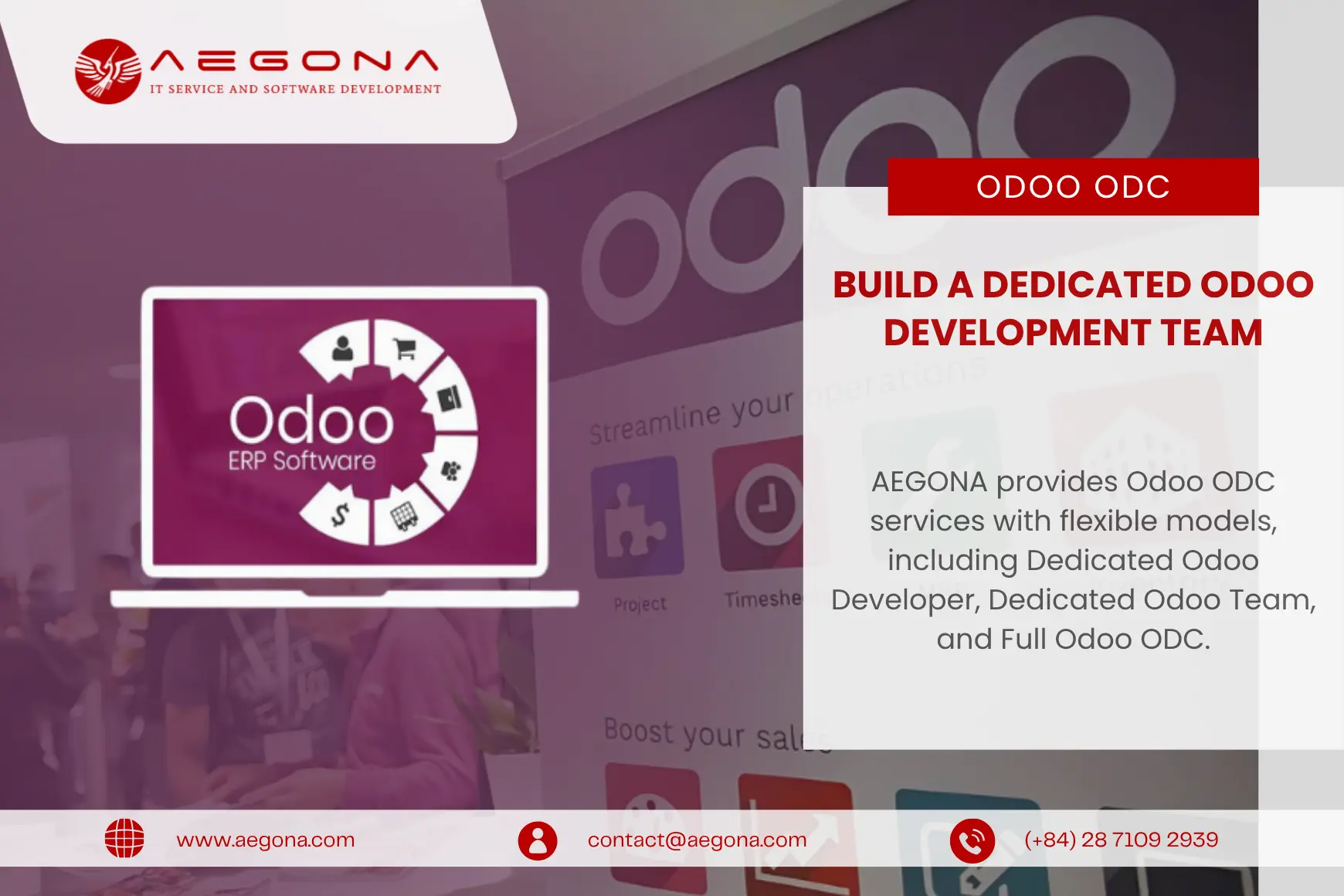
AEGONA provides Odoo ODC services with flexible models, including Dedicated Odoo Developer, Dedicated Odoo Team, and Full Odoo ODC.
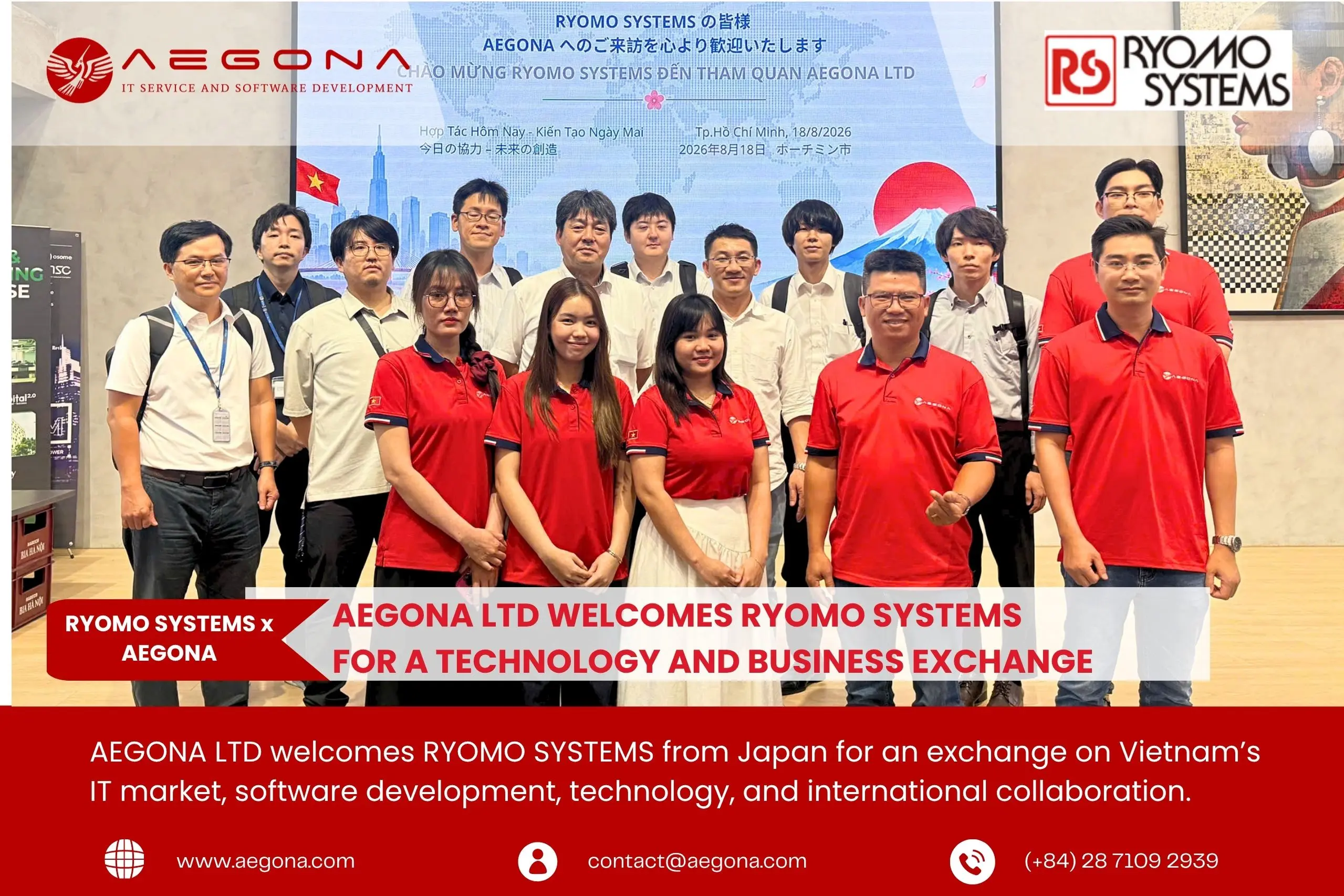
AEGONA welcomes RYOMO SYSTEMS from Japan for an exchange on Vietnam’s IT market, software development, technology, and international collaboration.
AI-powered legacy application modernization services in Vietnam. Aegona helps businesses refactor, migrate, and modernize legacy systems faster.
Hire experienced Java Backend Developers at Aegona to build scalable, secure, and high-performance Enterprise Backend systems with flexible outsourcing models.
Outsource C/C++ Developers in Vietnam with Aegona to access skilled talent, scale your team flexibly, accelerate development, and optimize costs.
Discover the top 5 software outsourcing companies in Vietnam (2026). Compare leading providers, their services, expertise, and find the right technology partner for your software development project.
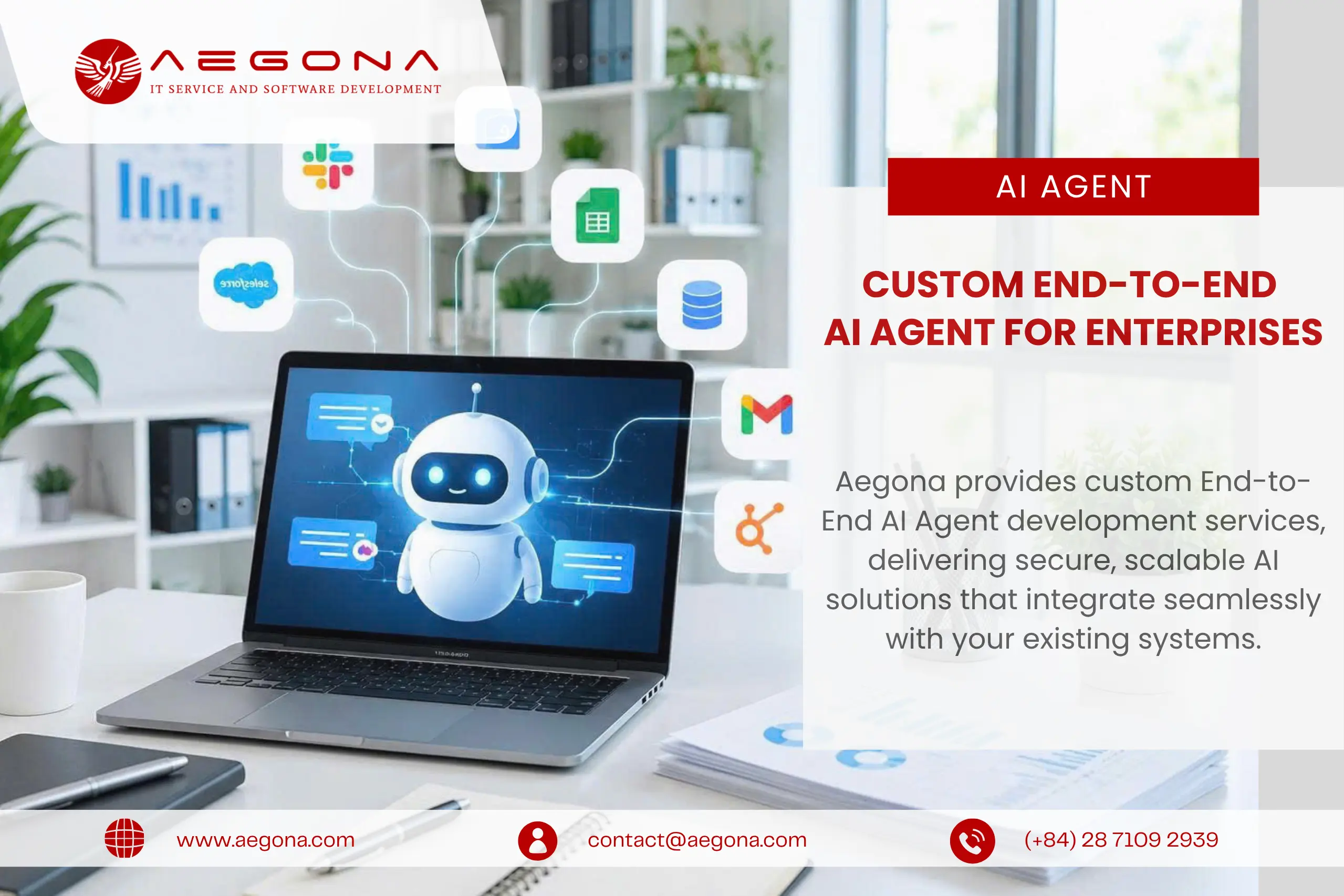
Aegona provides custom End-to-End AI Agent development services, delivering secure, scalable AI solutions that automate business processes and integrate seamlessly with your existing systems.
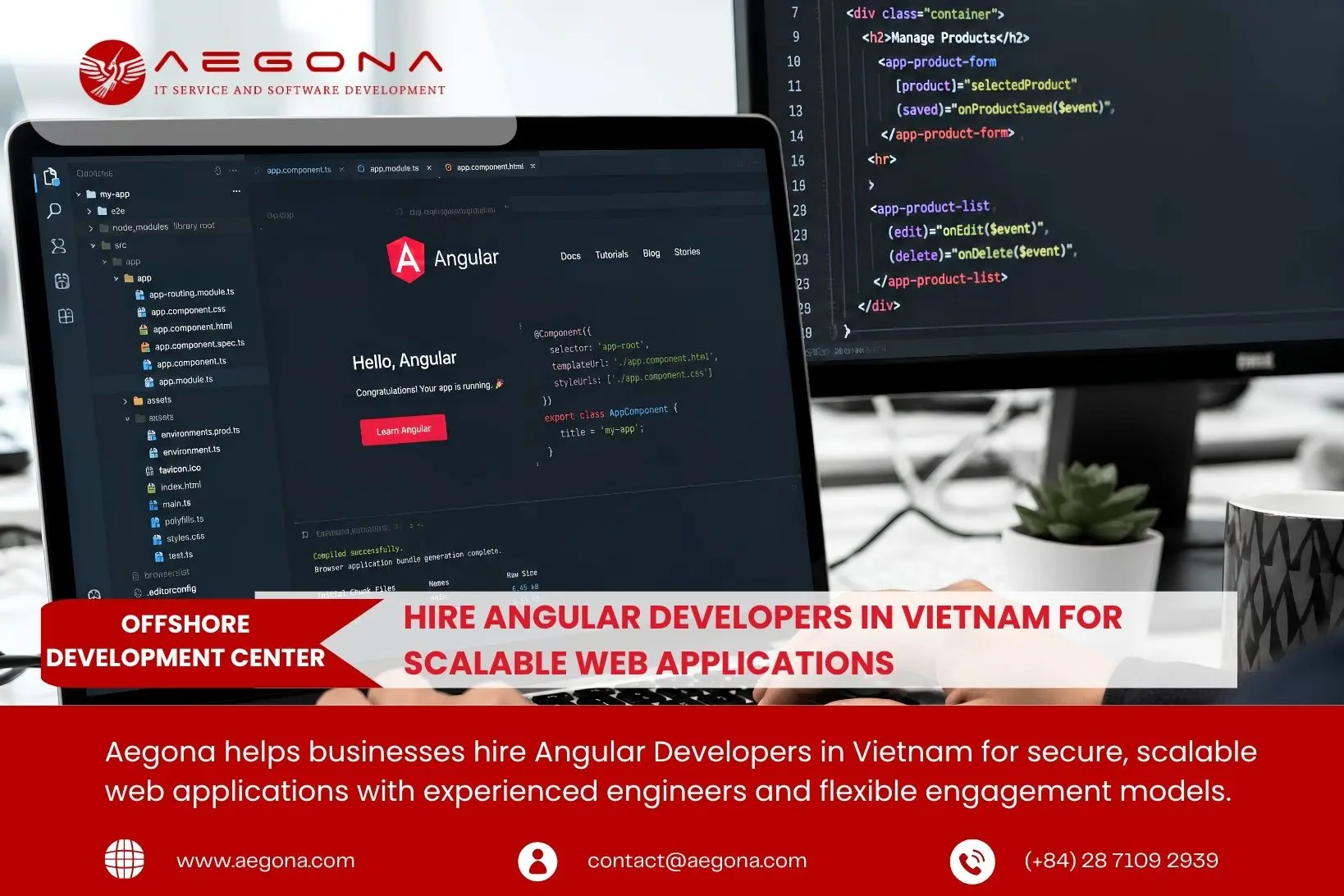
Aegona provides experienced Angular Developers in Vietnam to build scalable web applications with flexible hiring models and offshore development solutions.
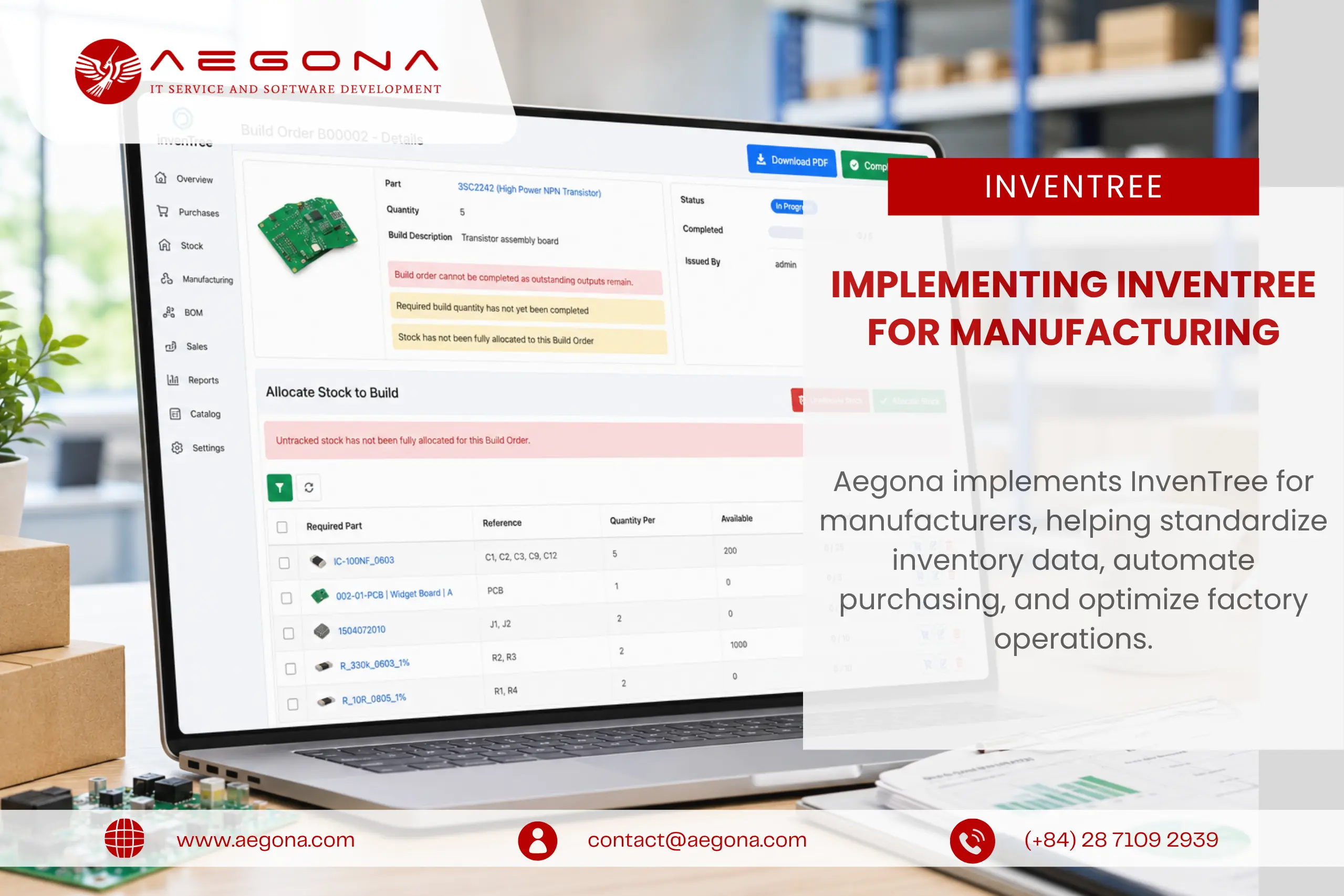
Aegona provides custom InvenTree implementation services to help manufacturers optimize inventory, purchasing, BOM, and production management with seamless ERP integration.
Aegona provides AI outsourcing and custom AI development services in Vietnam, delivering scalable AI solutions including Generative AI, chatbots, and automation.
Aegona provides Offshore C#/.NET Developer Services for Japanese businesses with skilled engineers proficient in C#, ASP.NET Core, .NET Framework, .NET 8+, RESTful APIs, Microservices, SQL Server, and Microsoft Azure.
Hire senior backend developers from Vietnam fluent in Japanese, Korean, and English. Build secure, scalable software with Aegona's experienced engineering team.
Integrate AI n8n Flow with CRM, HRM, and E-commerce systems to automate workflows, enhance customer management, streamline order processing, and boost operational efficiency.