Pioneering -
Innovative -
Creative


QTSC9, Quang Trung Software City, Trung My Tay Ward, Ho Chi Minh City, Vietnam


Website Payment Integration: Google Pay, Apple Pay, and Payment Gateways
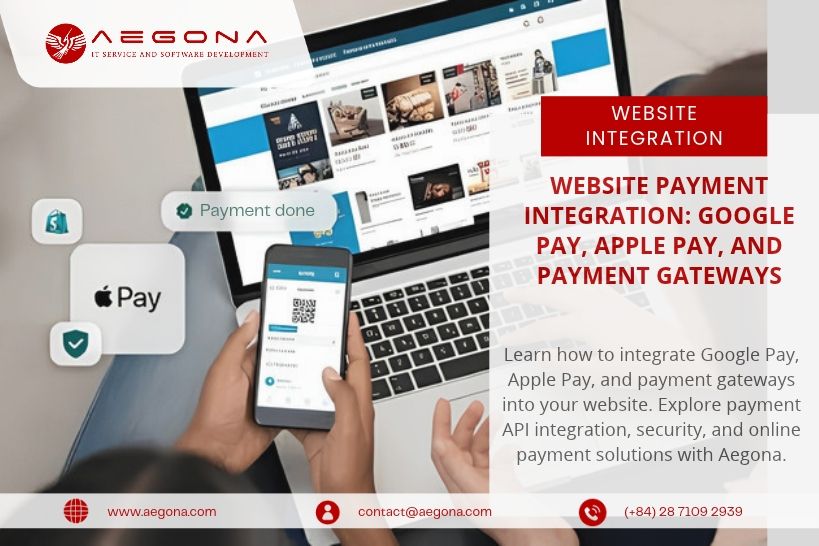
Today, integrating online payment solutions is essential for eCommerce websites, online stores, booking platforms, service websites, and SaaS applications. Solutions such as Google Pay, Apple Pay, VNPay, MoMo, ZaloPay, and PayPal allow businesses to offer more payment options and accommodate different customer preferences. But how does website payment integration work, and what should businesses consider before implementing it? Let's explore the key aspects with Aegona.
Overview of Website Payment Integration
Online payment integration is the process of connecting a website to financial institutions or third-party payment providers through APIs (Application Programming Interfaces). This allows customers to complete transactions directly on the website without relying on manual bank transfers or payment confirmation.
Payment integration is commonly used across various types of websites, including:
- eCommerce websites: Support online purchases, order payments, and transaction management.
- Booking and reservation websites: Allow customers to pay for flights, event tickets, hotel rooms, and travel services.
- Subscription-based websites: Handle service subscriptions, recurring payments, and plan renewals.
- Education and eLearning websites: Enable online tuition payments, course purchases, and training program registrations.
- Appointment booking websites: Support advance payments for services such as spa treatments, healthcare, consulting, and scheduled appointments.
Depending on their business model, companies can integrate one or multiple payment methods to provide a more convenient checkout experience.
Popular Payment Solutions for Website Integration
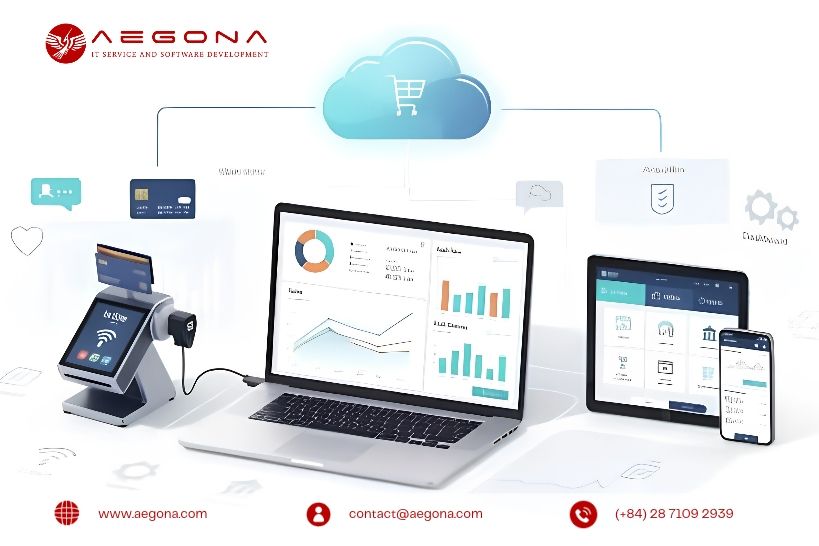
To build a flexible online payment ecosystem, businesses can combine three main types of payment solutions.
1. Third-Party Payment Gateways
A payment gateway acts as an intermediary between a website and financial institutions, banks, or card networks. It securely facilitates online transactions and helps businesses accept payments without building their own payment infrastructure.
Examples include:
- Domestic: VNPay-QR, OnePay, and Alepay, supporting local bank cards, QR code payments, and installment payment options.
- International: Stripe, PayPal, and Checkout.com, offering payment solutions for businesses serving international customers.
2. E-Wallets
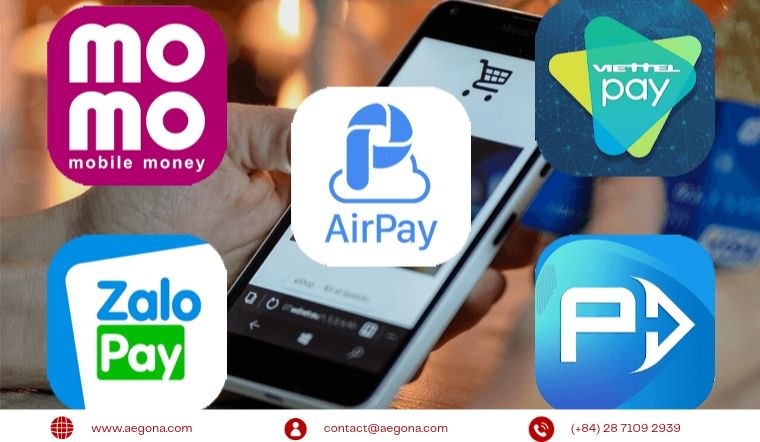
E-wallets allow customers to make payments directly from their digital wallet accounts, typically through QR codes, in-app payments, or redirects to wallet applications.
Examples include: MoMo, ZaloPay, and ShopeePay.
These solutions are particularly suitable for businesses targeting mobile-first customers who value convenient transactions and digital payment promotions.
3. One-Tap Digital Wallet Payments
Google Pay and Apple Pay provide convenient payment experiences through supported mobile devices and browsers. Customers can authorize transactions using Face ID, Touch ID, or their device authentication methods without manually entering card details for every purchase.
These solutions help simplify the checkout process while leveraging built-in security features to protect payment information.
>>> Read more: Top 5 Trusted Online Payment Gateways in Vietnam
Website Payment Integration Process
Implementing an effective online payment system involves several stages, from initial requirements analysis to testing and deployment. A typical integration process includes the following steps:
- Requirements Analysis and Provider Selection: Identify the business model (B2B, B2C, or cross-border commerce) and select payment providers that match the website's requirements.
- Merchant Account Registration: Submit the required business documents and complete the provider's merchant onboarding and service agreement process.
- API Documentation and Credentials: Obtain integration credentials, such as API Keys and Secret Keys, along with access to the provider's sandbox testing environment.
- Payment Integration Development: Developers implement the API connection and configure Webhooks or API Callbacks to communicate transaction results with the website's database.
- Testing and Validation: Test different transaction scenarios, including successful payments, failed transactions, cancellations, and refunds.
- Production Deployment (Go-Live): Move the integration from the sandbox environment to production and verify that the payment system operates correctly.
Key Considerations for Online Payment Integration
Beyond technical connectivity, businesses should evaluate several important factors to ensure their payment systems remain secure, reliable, and user-friendly.
- Security Standards: Follow applicable security requirements, including PCI DSS where relevant, SSL/TLS encryption, and appropriate authentication mechanisms such as 3D Secure.
- Transaction Fees: Review setup costs, monthly maintenance fees, and transaction-based charges before choosing a payment provider.
- Mobile User Experience: Ensure the checkout interface works smoothly on smartphones and tablets, with a responsive design and minimal payment steps.
- Payout and Settlement Policies: Understand how and when funds are transferred to the business bank account, including settlement schedules such as T+1, T+2, or other provider-defined timelines.
Technical Challenges in Website Payment Integration & Aegona's Solutions
Although most payment gateway providers offer APIs and technical documentation, integrating payment functionality into an existing website can still present challenges involving system architecture, security, and transaction processing.
Common technical challenges include:
- API Latency and Webhook Processing: Customers may be charged successfully by their banks while the website still displays the order status as "Pending Payment" due to delayed or failed transaction notifications.
- Complex Data Synchronization: Synchronizing payment records with inventory management software, accounting systems, or ERP platforms can become challenging, especially when multiple systems are involved.
- Codebase Compatibility: Custom-built web applications and legacy websites may require additional development to support modern SDKs and payment integrations such as Apple Pay and Google Pay.
With experience in software development and system integration, Aegona provides website development, customization, and API integration services tailored to business requirements.
Our solutions can cover various aspects of website payment integration, including:
- Payment API Integration: Connect websites with third-party payment services based on the provider's technical documentation and integration requirements.
- Checkout Process Customization: Develop payment interfaces and checkout workflows that align with the business model and customer experience.
- Automated Transaction Processing: Implement Webhooks and payment status synchronization to streamline transaction handling and order management.
- Internal System Integration: Connect websites with CRM, ERP, and other enterprise management platforms.
- Website Functionality Enhancement: Extend existing website capabilities to support additional payment methods and evolving business workflows.
FAQ – Frequently Asked Questions
1. Can a website integrate multiple payment gateways at the same time?
Yes. A website can support multiple payment gateways and digital wallets, giving customers more flexibility at checkout. However, businesses should consider compatibility, merchant registration requirements, and transaction fees for each provider.
2. Can small or newly launched websites integrate Apple Pay and Google Pay?
Yes. Small and newly launched websites can integrate Apple Pay and Google Pay, provided they meet the eligibility and technical requirements. Working with a compatible payment service provider can simplify the integration process.
3. Does integrating a payment gateway into a website require an API?
In most cases, yes. APIs allow websites to communicate with payment systems to initiate transactions, receive payment results, and process related information. Some platforms also provide plugins or ready-made integration options, reducing the amount of custom development required.
4. Can payment solutions be integrated into Shopify and WooCommerce websites?
Yes. Both Shopify and WooCommerce support various payment solutions through compatible payment gateways, applications, or plugins. Available options depend on the business's country, payment provider, and store configuration.
Conclusion
Integrating Google Pay, Apple Pay, and payment gateways allows businesses to expand their payment options, streamline transactions, and improve the overall customer experience. Choosing the right solution requires careful consideration of the website's technology stack and business requirements.
Aegona works with businesses to develop websites, integrate APIs, and customize payment systems to support their specific operational needs.
Contact us for today:
AEGONA LTD – IT Service & Software Development
[E] [email protected]
[P] 028 7109 2939 (08:00 – 17:00, Mon – Fri)
[M] 0914 518 869 | 0869 731 689
[W] www.aegona.vn | www.aegona.com
[Zalo] https://bit.ly/41UeXrx
[HQ-Lab1] Orbital Building (QTSC Building 9), Quang Trung Software City, Ho Chi Minh City, Vietnam
[Lab 2] QTSC 1 Building, Quang Trung Software City, Ho Chi Minh City, Vietnam
related post
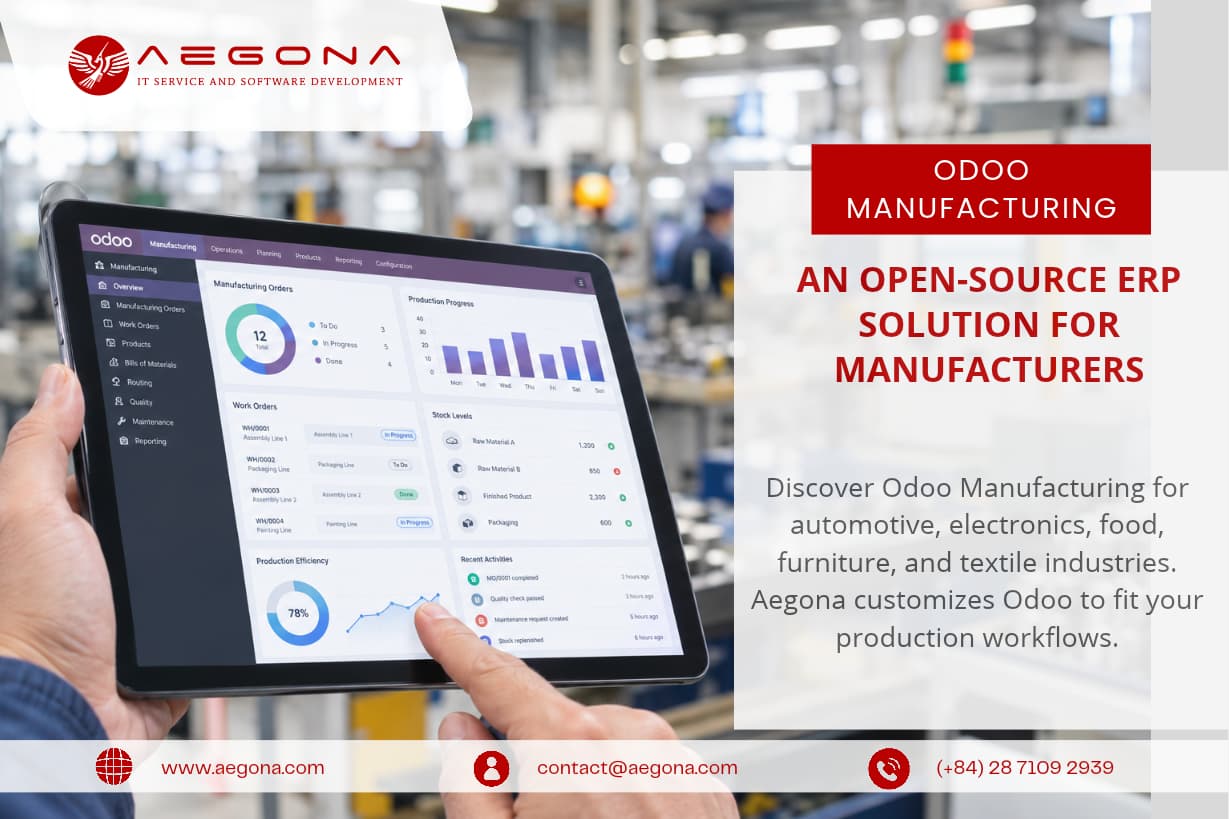
Discover Odoo Manufacturing for automotive, electronics, food, furniture, and textile industries. Aegona customizes Odoo to fit your production workflows.


Discover TourFlow, tour management software for travel agencies to organize customer data, manage tour products and departures, and track bookings.

OpenAI Ads brings a new advertising opportunity to ChatGPT. Explore how ChatGPT Ads work and what businesses should know about advertising in the AI era.

Shopify website design and development tailored to your business, with custom themes, integrations, features, and maintenance.
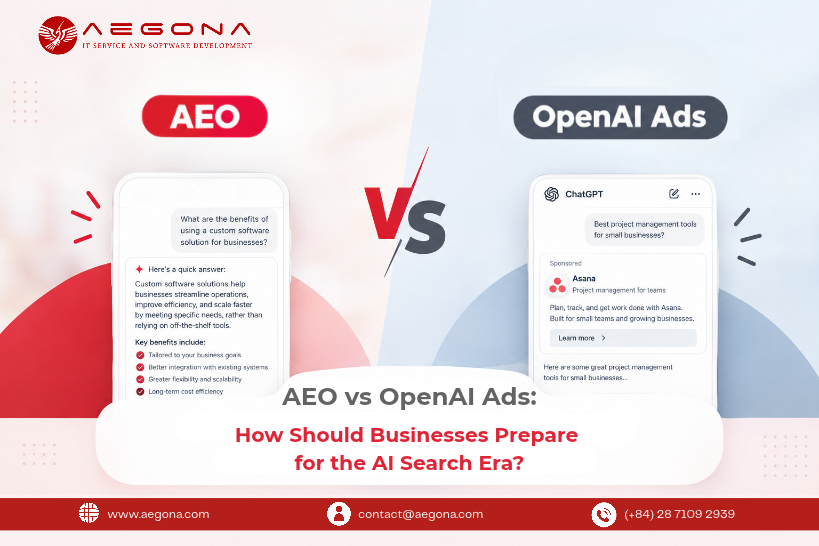
AEO vs OpenAI Ads: discover the difference between AI Search optimization and ChatGPT advertising, and what businesses should consider in the AI era.
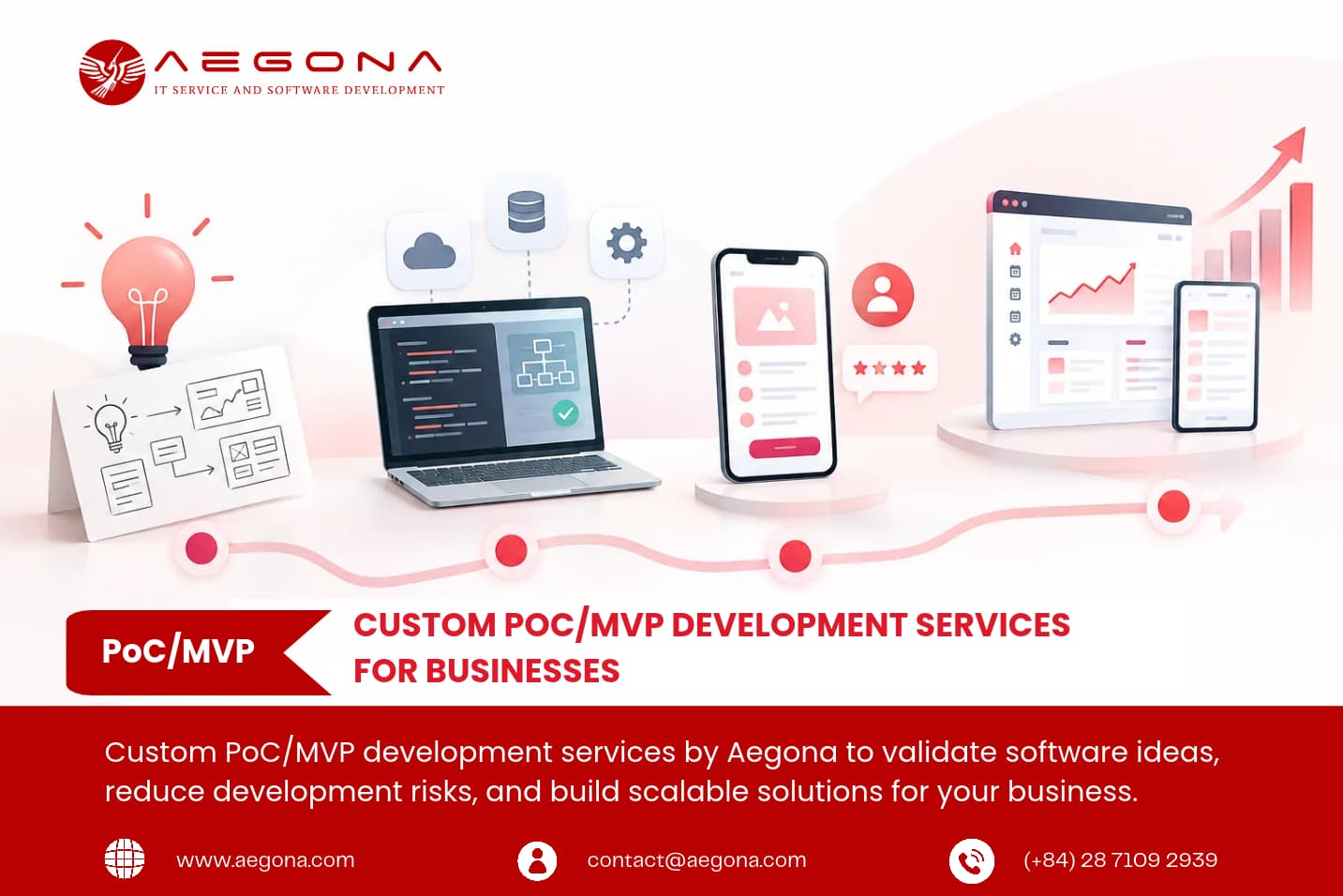
Custom PoC/MVP development services by Aegona to validate software ideas, reduce development risks, and build scalable solutions for your business.
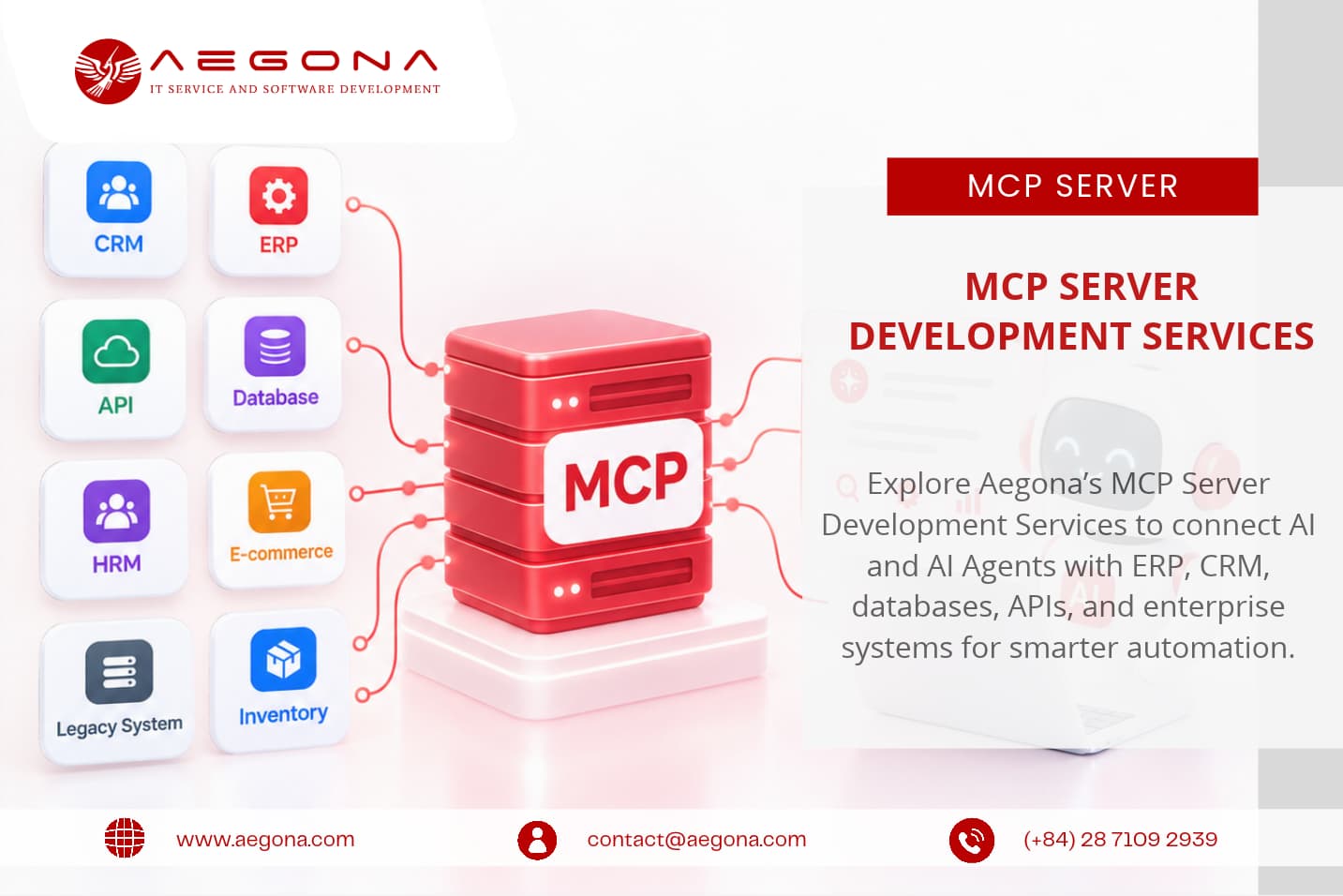
Explore Aegona’s MCP Server Development Services to connect AI and AI Agents with ERP, CRM, databases, APIs, and enterprise systems for smarter automation.

Scale your development team with Aegona’s Staff Augmentation Services. Hire skilled Java, PHP, Fullstack Developers in Vietnam for your projects.
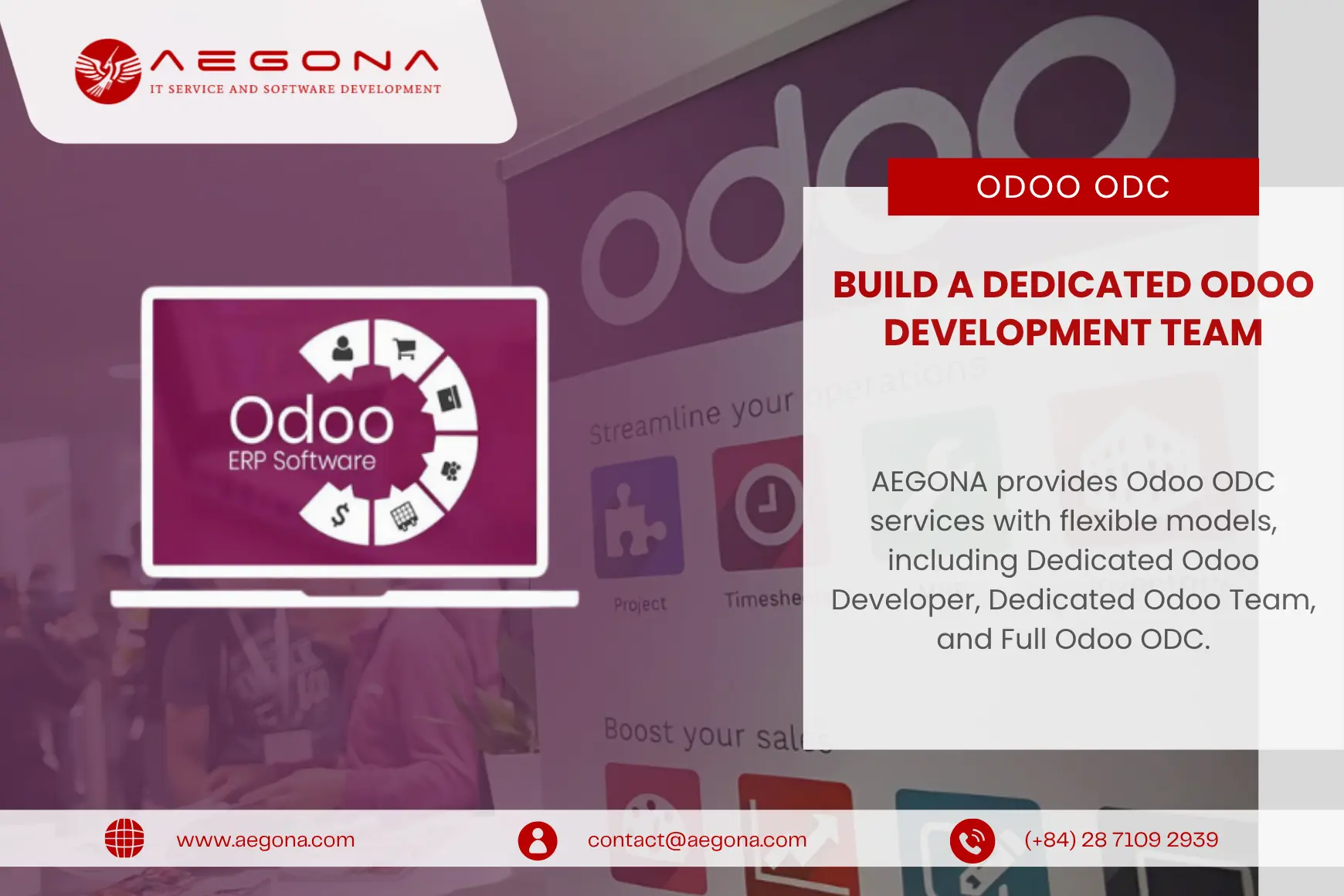
AEGONA provides Odoo ODC services with flexible models, including Dedicated Odoo Developer, Dedicated Odoo Team, and Full Odoo ODC.
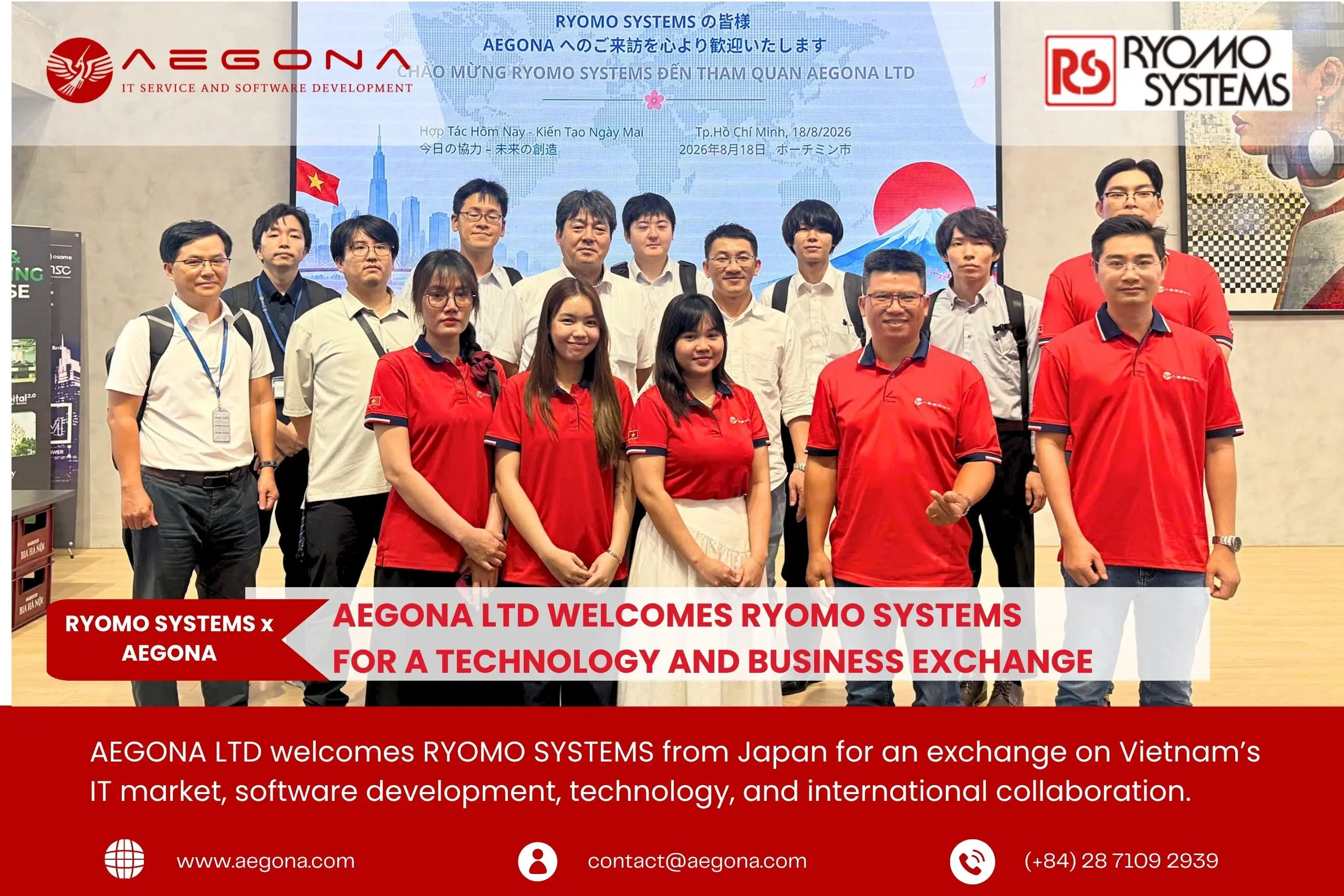
AEGONA welcomes RYOMO SYSTEMS from Japan for an exchange on Vietnam’s IT market, software development, technology, and international collaboration.

AI-powered legacy application modernization services in Vietnam. Aegona helps businesses refactor, migrate, and modernize legacy systems faster.

Hire experienced Java Backend Developers at Aegona to build scalable, secure, and high-performance Enterprise Backend systems with flexible outsourcing models.