Pioneering -
Innovative -
Creative


QTSC9, Quang Trung Software City, Trung My Tay Ward, Ho Chi Minh City, Vietnam


MCP Server Development Services – Connecting AI with Enterprise Systems
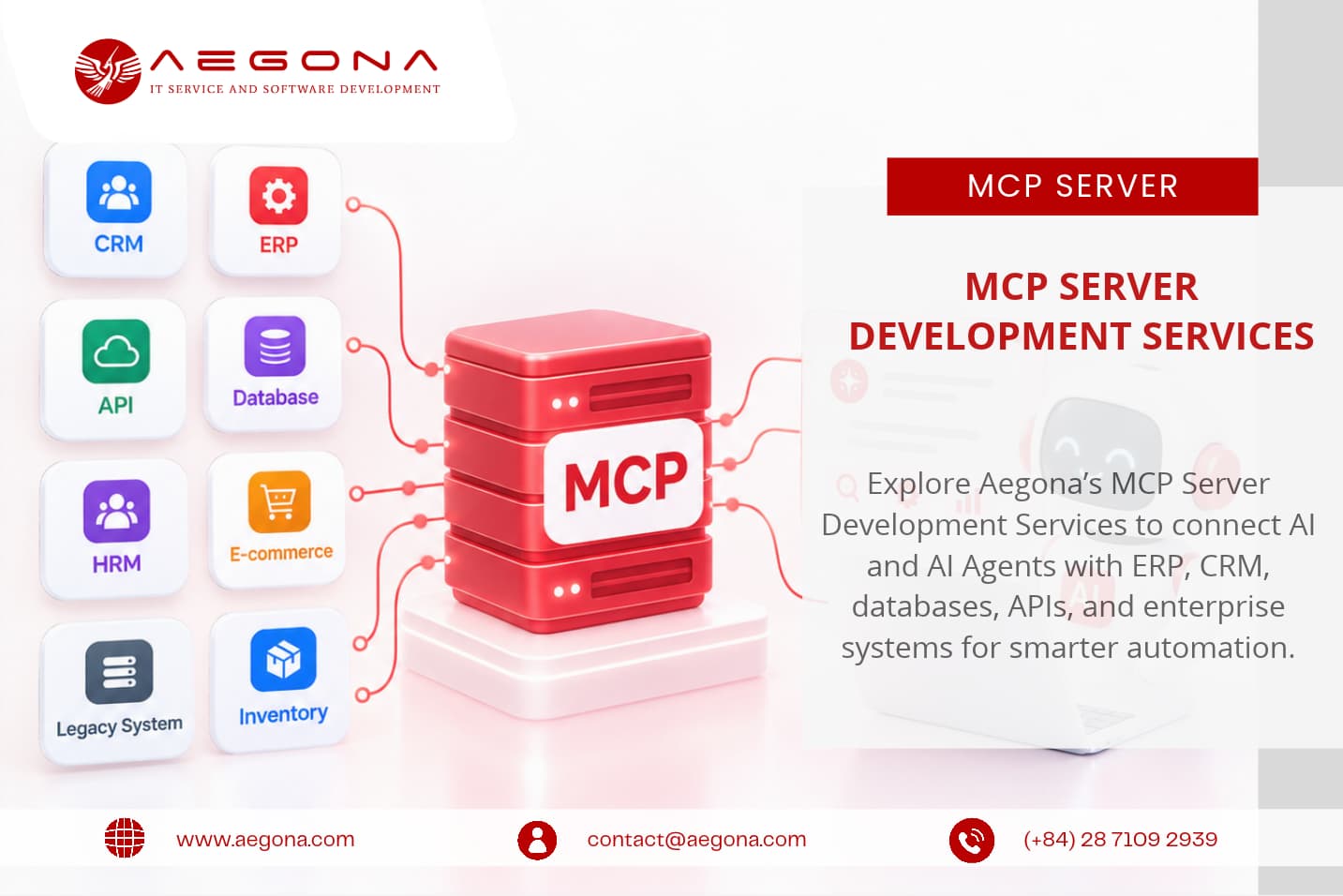
Aegona’s MCP Server Development Services help businesses connect AI and AI Agents with the systems, data, and tools they already use, including ERP, CRM, databases, APIs, and internal software. With a custom-built MCP Server, AI can access information, use business tools, and perform tasks within enterprise workflows, expanding the potential of AI Automation.
In this article, Aegona explores what an MCP Server is, how it works, which systems it can integrate with, and how businesses can apply it to real-world use cases. We will also cover the MCP Server development process to help businesses better understand Model Context Protocol and how it can connect AI with existing enterprise systems.
What Is an MCP Server?
What Is MCP (Model Context Protocol)?
MCP (Model Context Protocol) is an open protocol designed to help AI applications connect with external data, tools, and systems in a standardized way.
Instead of limiting AI to information available within a conversation, MCP allows AI to interact with data sources and tools provided by a business. This creates a foundation for building AI Agents that can work with real-world enterprise systems rather than simply answer questions.
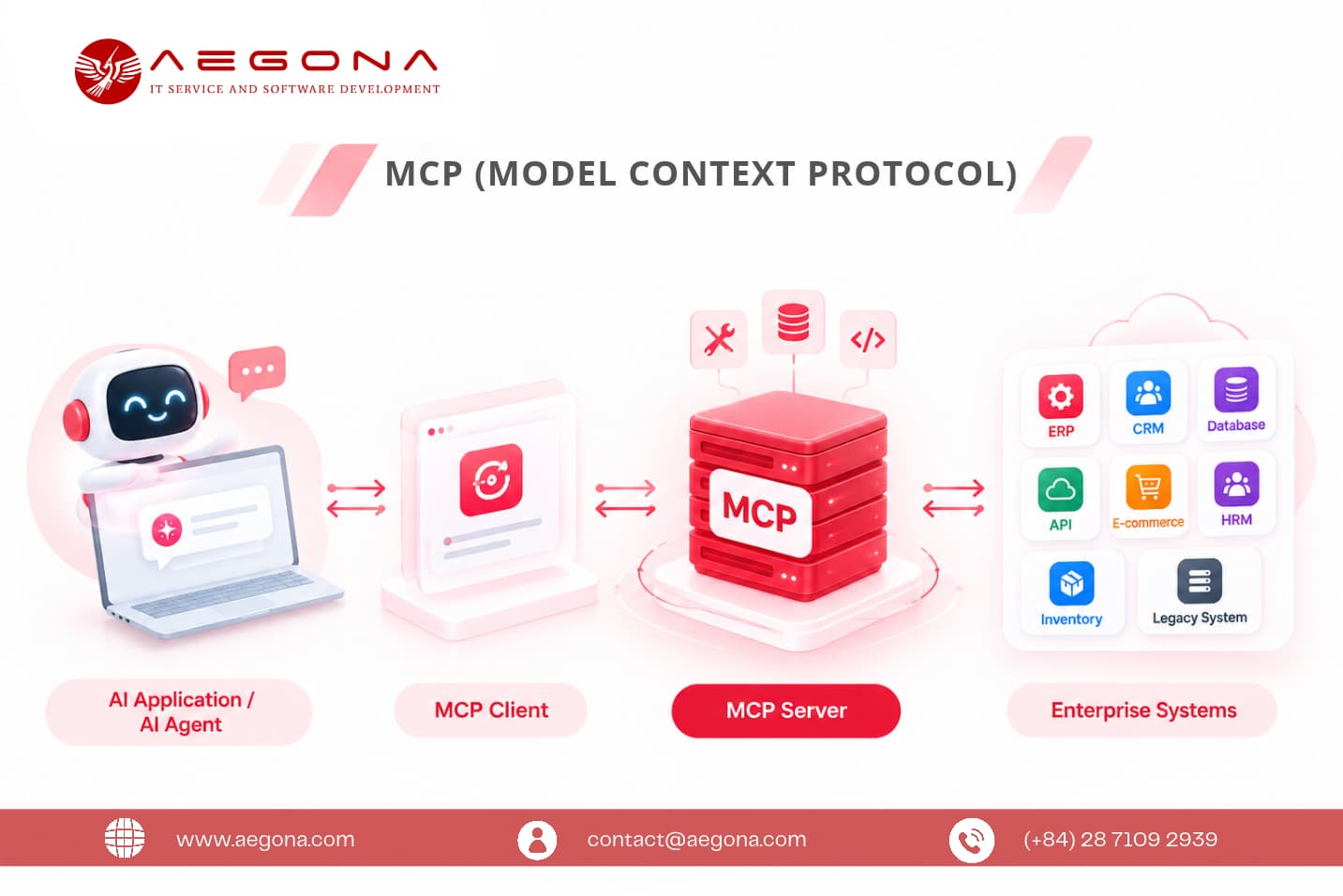
A simple way to understand the architecture is:
AI Application / AI Agent → MCP Client → MCP Server → Enterprise Systems
In this architecture, the MCP Server acts as an intermediary between AI and external systems, providing the tools and data that AI needs to interact with enterprise environments.
How Does an MCP Server Work?
An MCP Server provides tools, resources, and capabilities that AI applications can use.
When a user submits a request, AI can determine which information or tools are needed. The AI application then uses an MCP Client to send the request to the MCP Server. The MCP Server processes the request and connects to the appropriate enterprise system to retrieve data or perform an authorized action.
For example, an AI Sales Assistant may receive a request such as: “Check the inventory of Product A and the latest order information for Customer X.”
The AI Agent can use the MCP Server to:
- Query inventory data.
- Retrieve customer information from the CRM.
- Check order information from the sales system.
- Combine the results and provide an answer to the user.
With MCP integration, AI can interact with multiple enterprise systems without requiring a separate AI connection for every individual task.
>>>Read more: Custom End-to-End AI Agent Development Company For Enterprises
What Systems Can an MCP Server Connect With?
An MCP Server can be developed to integrate with a wide range of systems and data sources, depending on the business architecture and requirements, including:
- ERP systems such as Odoo.
- CRM and customer management systems.
- HRM and human resource management systems.
- Databases.
- REST APIs and GraphQL APIs.
- E-commerce and order management systems.
- Inventory management systems.
- Internal business software.
- Legacy systems.
- Cloud services and other enterprise platforms.
Why Do Businesses Need an MCP Server?
When AI is introduced into a business, answering questions is only one part of the overall use case. To provide practical support, AI needs access to relevant data and the ability to interact with the systems used in daily business operations.
An MCP Server can provide several important capabilities:
- Connect AI with enterprise data: AI can query information from databases, CRM, ERP, and other authorized data sources.
- Connect AI with business tools: AI Agents can use tools provided through the MCP Server to perform specific tasks.
- Integrate multiple systems: MCP can act as a connection layer between AI and different enterprise systems.
- Expand AI Automation: When AI can interact with business systems, organizations can automate more workflows instead of using AI only for content generation or question answering.
- Leverage existing systems: MCP Servers can connect with existing APIs and business applications, allowing organizations to gradually introduce AI into their workflows without replacing their entire infrastructure.
>>> Read more: End-to-End AI Agent Development Services for Your Business
Custom MCP Server Development Services at Aegona
We understand that every business has different systems, data, and workflows. Therefore, Aegona develops MCP Servers based on existing infrastructure and the specific tasks that AI needs to perform.
Our MCP Server services include:
- Custom MCP Server Development: We build custom MCP Servers based on specific business requirements. The solution can connect with ERP, CRM, HRM, databases, APIs, e-commerce platforms, and internal software.
- MCP Integration: We help AI access business data and use functions from enterprise systems through APIs or other suitable integration methods.
- AI Agent Integration: We integrate MCP Servers with AI Agents so AI can query data, use tools, and support business tasks.
- MCP Server for ERP and Business Systems: Aegona can develop MCP Servers for ERP, CRM, HRM, and other business management systems. For Odoo ERP, the MCP Server can be designed to allow AI Agents to access approved data and functions.
- Security & Access Control: Security and permissions are considered from the beginning of the development process. Businesses can control which data AI can access and which actions it can perform through authentication, authorization, and tool-level permissions.
What Business Use Cases Can MCP Servers Support?
MCP Servers can be applied to a wide range of AI Agent & Automation use cases, particularly when AI needs to interact directly with enterprise systems.
AI Customer Service
AI can connect with CRM, order management systems, or knowledge bases to:
- Retrieve customer information.
- Check order status.
- Access transaction history.
- Support customer service teams.
- Update information in business systems.
AI Sales Assistant
An MCP Server can connect an AI Sales Assistant with CRM, ERP, or product systems to:
- Retrieve product information.
- Check inventory.
- Access customer information.
- Review transaction history.
- Support quotation creation.
- Update CRM data.
AI Business Operations
AI Agents can connect with business systems to support internal workflows, such as checking data, updating information, or performing authorized tasks.
For example, employees can ask an AI Agent to check the status of a business process instead of manually opening multiple systems to find the required information.
AI Data & Reporting Assistant
An MCP Server can connect AI with databases and other enterprise data sources to support:
- Data queries.
- Information aggregation.
- Data analysis.
- On-demand report generation.
- Information retrieval across multiple data sources.
AI Agent for E-commerce
In e-commerce, an MCP Server can connect an AI Agent with product catalogs, inventory, order management systems, and CRM platforms.
AI can help employees check product information, inventory, orders, or customer data based on the permissions provided.
>>> Read more: InvenTree Inventory Management Software – Optimize Inventory and Production
How Is MCP Server Different from Other AI Technologies?
MCP Servers are often used together with other AI technologies. However, each technology addresses a different part of the overall solution.
Technology | Main Role | Applications |
MCP Server | Connects AI with external tools, data, and systems | Enables AI Agents to interact with ERP, CRM, databases, APIs, and other systems |
API | Enables systems to communicate and exchange data | Connects websites, apps, ERP, CRM, and other systems |
RAG | Helps AI retrieve and use information from external data sources | Document Q&A, knowledge bases, and internal data |
Function Calling | Allows AI to call functions provided by an application | Data retrieval, API calls, and specific actions |
AI Agent | Uses AI to process requests, select tools, and execute workflows | Customer service, sales, operations, data analysis, and automation |
In simple terms: RAG helps AI find and use information, while Function Calling allows AI to call specific functions. MCP Server provides a standardized way for AI applications to interact with different tools, data sources, and external systems.
These technologies can work together to build enterprise AI Agent & Automation solutions.
MCP Server Development Process at Aegona
Aegona provides MCP Server Development Services based on each business's requirements, from use case analysis and architecture design to MCP Server development, AI Agent integration, and enterprise system integration.
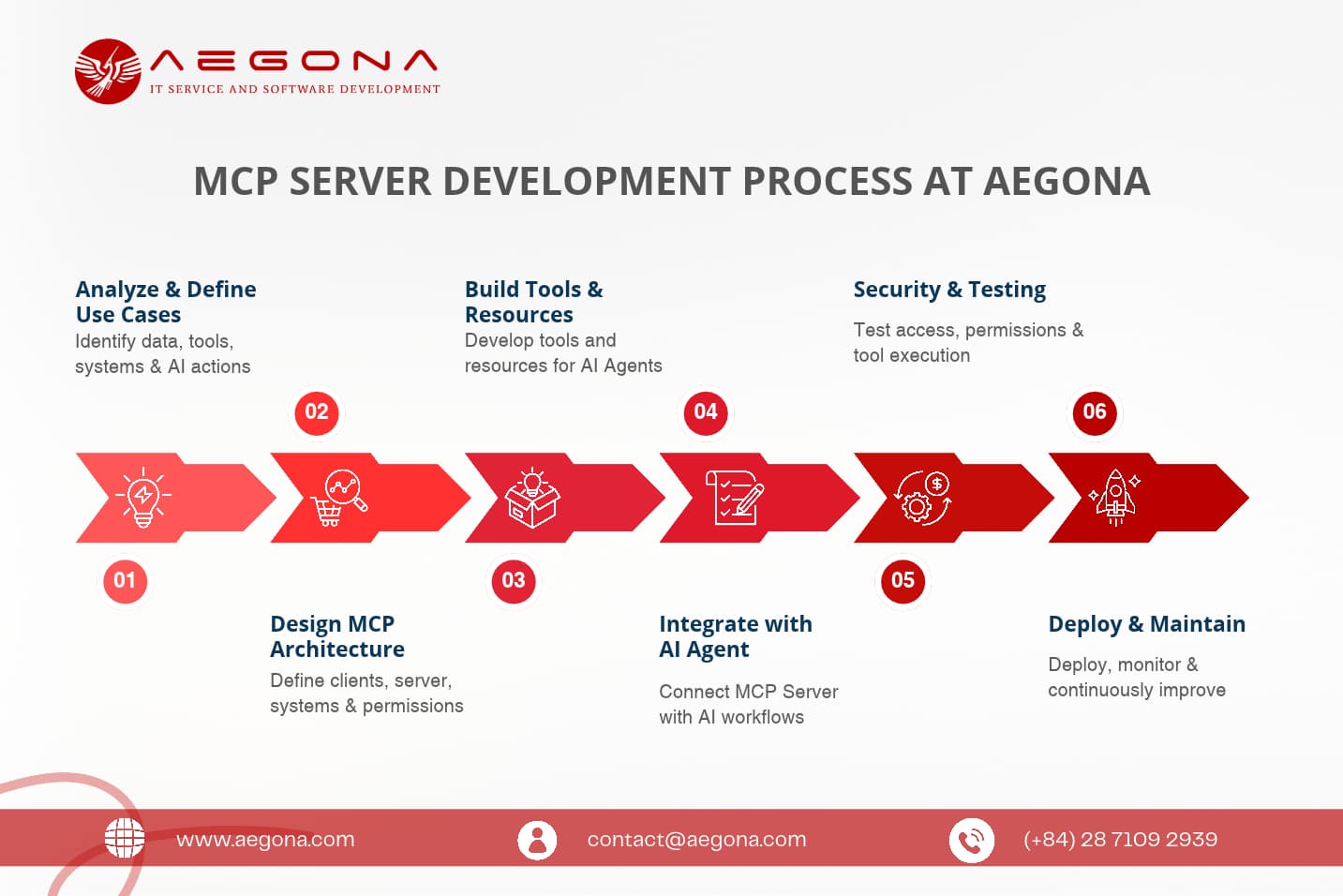
Our development process includes:
1. System and Use Case Analysis
We analyze the existing systems, AI requirements, and tasks that AI needs to perform.
Key questions include:
- What data does AI need to access?
- Which tools does AI need to use?
- Which systems need to be connected?
- Which actions should AI be allowed to perform?
2. MCP Architecture Design
We design an MCP Server architecture that fits the existing business environment, including the MCP Client, MCP Server, enterprise systems, authentication, and permission models.
3. Tools and Resources Development
We develop the required tools and resources so the MCP Server can provide the data or functions needed by the AI Agent.
4. MCP Integration with AI Agents
We connect the MCP Server with AI Agents and test how AI interacts with enterprise systems and available tools.
5. Security & Testing
We test data access, permissions, tool execution, error handling, and other security requirements to ensure the solution operates as expected.
6. Deployment & Maintenance
The MCP Server is deployed in a suitable environment. We then monitor its operation and continue to expand or update available tools as new business requirements arise.
>>>Read more: Odoo ODC Services in Vietnam: Build a Dedicated Odoo Development Team
FAQ – Frequently Asked Questions About MCP Servers
What technologies are used for MCP Server Development?
MCP Server Development can use different technologies depending on the existing systems and business requirements. Common technologies include Python, Node.js/TypeScript, .NET, REST API, GraphQL, databases, and cloud infrastructure.
MCP Servers can also be combined with LLMs, AI Agents, RAG, and AI Automation technologies to build solutions for specific business use cases.
Is an MCP Server safe for enterprise data?
Security depends on the architecture, authentication, authorization, access control, API security, and deployment approach. Businesses should define which data and actions AI is allowed to access from the early stages of system design.
Can an MCP Server connect to legacy systems?
Yes. An MCP Server can connect to legacy systems when they provide APIs or when a suitable integration layer can be developed. The appropriate approach depends on the existing architecture and system accessibility.
How long does MCP Server Development take?
Development time depends on the number of systems to integrate, the number of tools required, security requirements, and the complexity of the business workflows.
Develop Your MCP Server with Aegona
MCP Servers create new opportunities for businesses to move AI beyond question answering and into real business workflows. When connected with ERP, CRM, databases, and internal software, AI Agents can access business data and support a wider range of practical tasks.
Contact Aegona today to discuss your MCP Server Development and AI Automation requirements.
Contact us for today:
AEGONA LTD – IT Service & Software Development
[E] [email protected]
[P] 028 7109 2939 (08:00 – 17:00, Mon – Fri)
[M] 0914 518 869 | 0869 731 689
[W] www.aegona.vn | www.aegona.com
[Zalo] https://bit.ly/41UeXrx
[HQ-Lab1] Orbital Building (QTSC Building 9), Quang Trung Software City, Ho Chi Minh City, Vietnam
[Lab 2] QTSC 1 Building, Quang Trung Software City, Ho Chi Minh City, Vietnam
related post
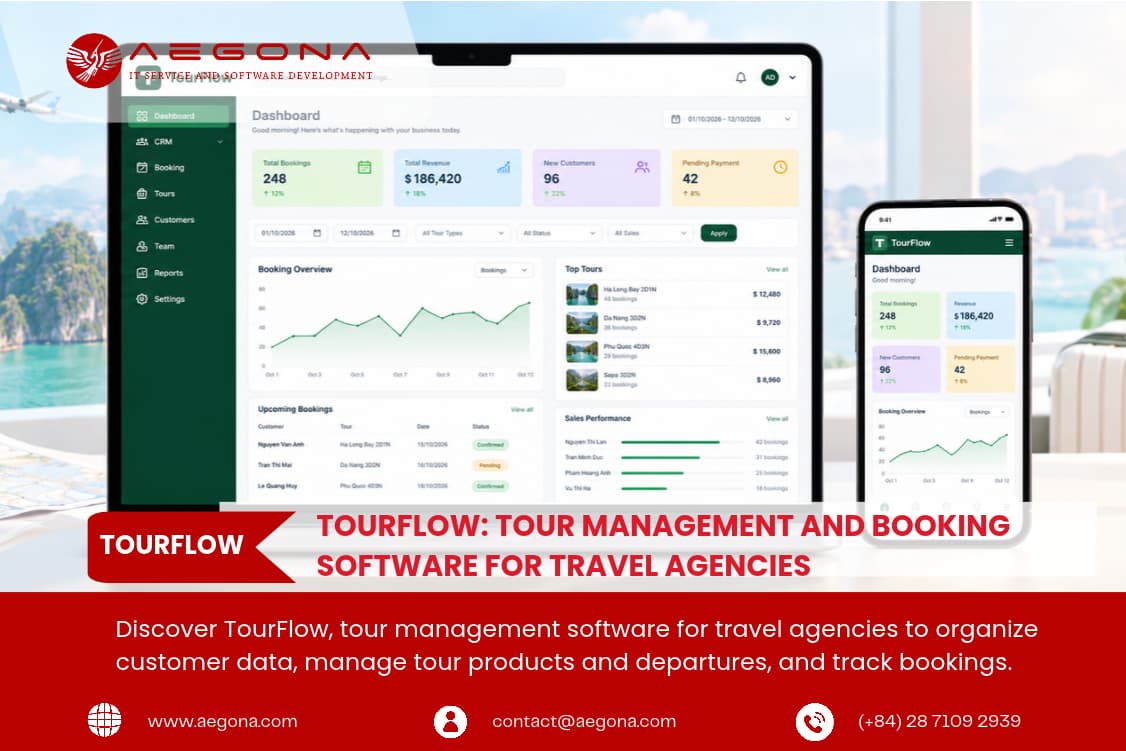
Discover TourFlow, tour management software for travel agencies to organize customer data, manage tour products and departures, and track bookings.
OpenAI Ads brings a new advertising opportunity to ChatGPT. Explore how ChatGPT Ads work and what businesses should know about advertising in the AI era.
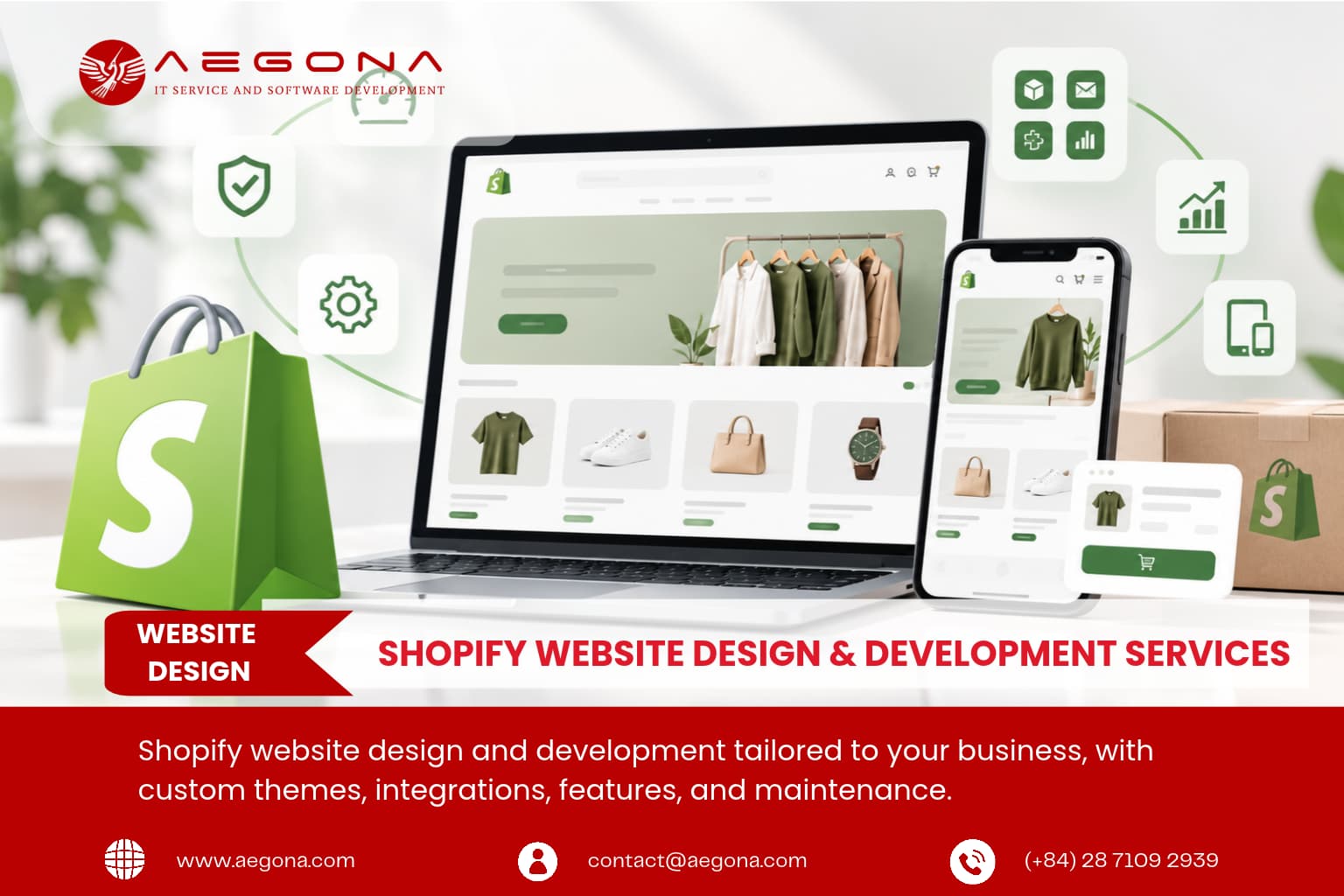
Shopify website design and development tailored to your business, with custom themes, integrations, features, and maintenance.
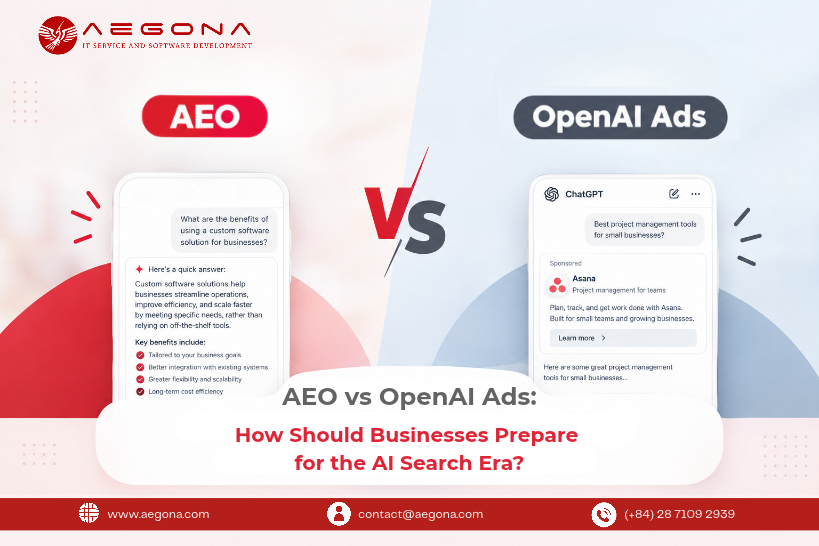
AEO vs OpenAI Ads: discover the difference between AI Search optimization and ChatGPT advertising, and what businesses should consider in the AI era.
Custom PoC/MVP development services by Aegona to validate software ideas, reduce development risks, and build scalable solutions for your business.
Scale your development team with Aegona’s Staff Augmentation Services. Hire skilled Java, PHP, Fullstack Developers in Vietnam for your projects.
AEGONA provides Odoo ODC services with flexible models, including Dedicated Odoo Developer, Dedicated Odoo Team, and Full Odoo ODC.
AEGONA welcomes RYOMO SYSTEMS from Japan for an exchange on Vietnam’s IT market, software development, technology, and international collaboration.
AI-powered legacy application modernization services in Vietnam. Aegona helps businesses refactor, migrate, and modernize legacy systems faster.
Hire experienced Java Backend Developers at Aegona to build scalable, secure, and high-performance Enterprise Backend systems with flexible outsourcing models.
Outsource C/C++ Developers in Vietnam with Aegona to access skilled talent, scale your team flexibly, accelerate development, and optimize costs.
Discover the top 5 software outsourcing companies in Vietnam (2026). Compare leading providers, their services, expertise, and find the right technology partner for your software development project.
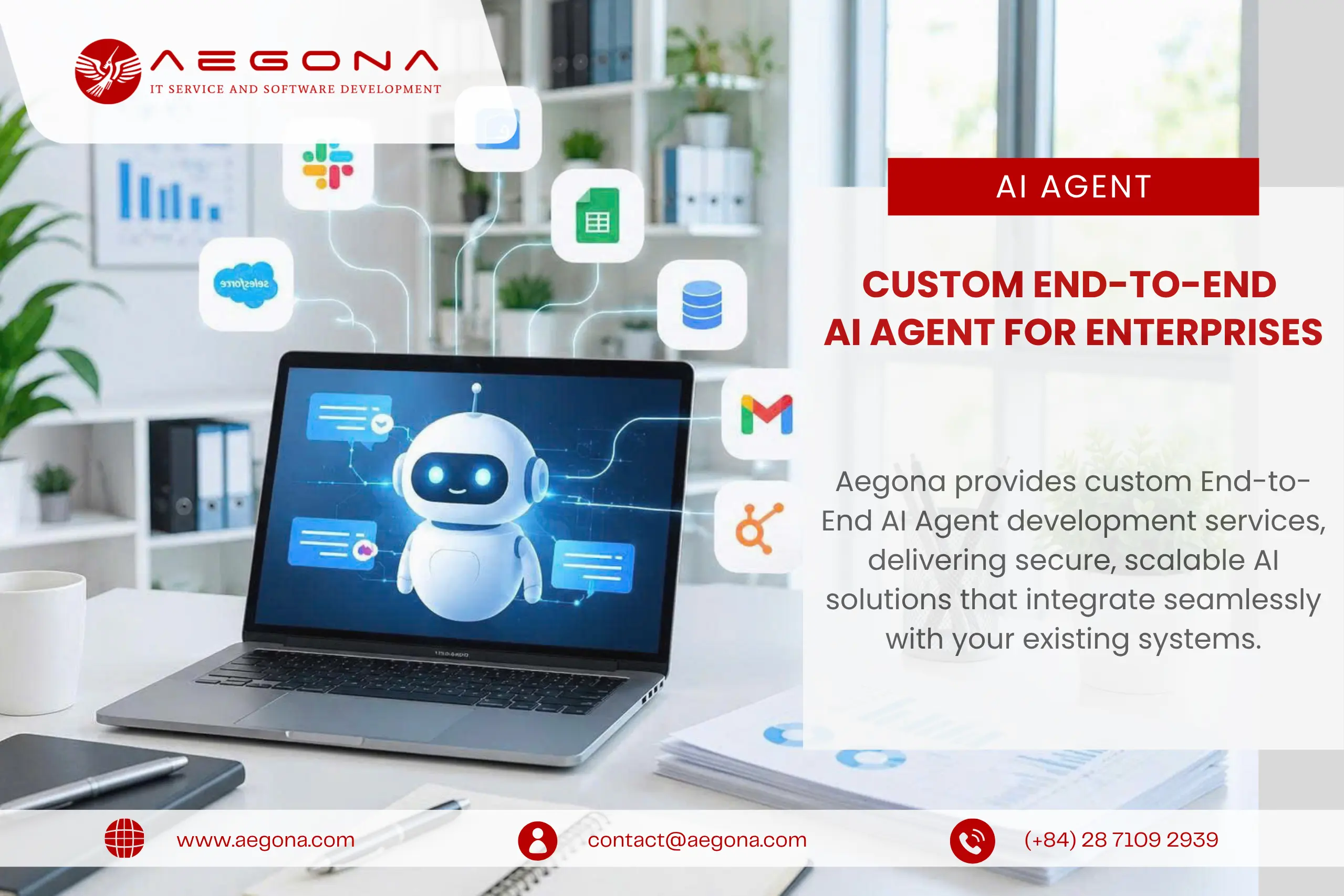
Aegona provides custom End-to-End AI Agent development services, delivering secure, scalable AI solutions that automate business processes and integrate seamlessly with your existing systems.