Pioneering -
Innovative -
Creative


QTSC9, Quang Trung Software City, Trung My Tay Ward, Ho Chi Minh City, Vietnam


Moodle LMS E-learning: Features, Benefits, and Real-World Applications
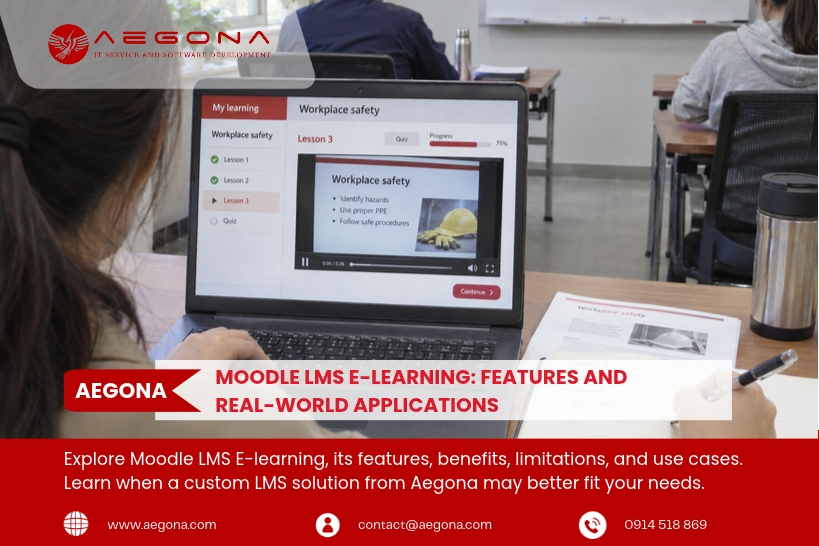
Moodle LMS E-learning is widely considered by educational institutions and businesses looking to build structured online learning environments. As an open-source learning management system, Moodle enables organizations to deliver courses, manage learners, and monitor training outcomes through a centralized platform. But what exactly does Moodle offer, which learning environments is it best suited for, and when should organizations consider developing a custom LMS? In this article, Aegona explores the platform's core capabilities, practical applications, and key considerations for implementation.
1. What Is Moodle LMS E-learning?
Moodle, originally derived from Modular Object-Oriented Dynamic Learning Environment, is an open-source learning management system designed to support the delivery and administration of online education. It allows educational institutions and businesses to create courses, distribute learning materials, conduct assessments, and track learner progress within a unified digital environment.
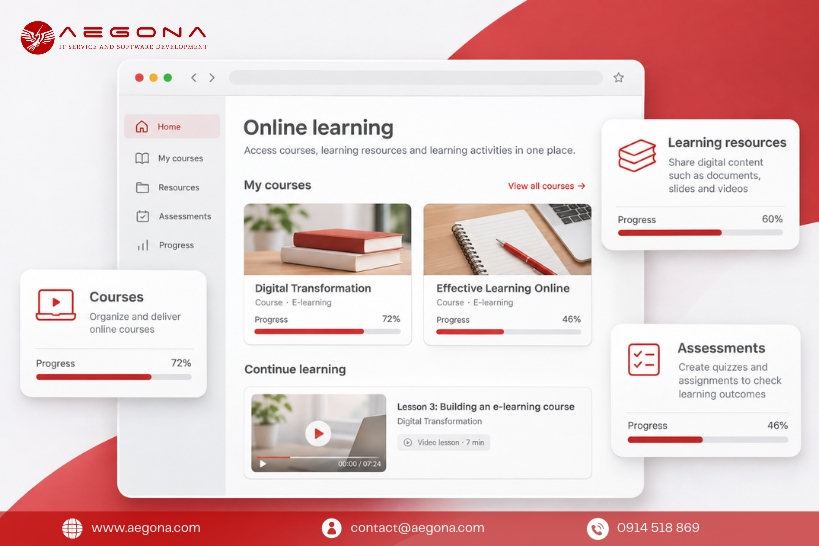
One of Moodle's key strengths is its flexibility. Organizations can configure existing features, extend functionality through plugins, and customize the platform to support specific training requirements. However, successful implementation still requires appropriate technical resources for configuration, hosting, maintenance, and long-term system management.
Moodle vs. LMS vs. E-learning: Understanding the Differences
Although these terms are frequently used together, they refer to different concepts. Understanding their roles helps organizations identify the right technology for their learning and development needs.
- E-learning: A method of delivering education and training through digital technologies, including online courses, multimedia content, and interactive learning activities.
- Learning Management System (LMS): A software platform used to organize courses, manage learners, distribute educational content, and track learning performance.
- Moodle: A specific open-source LMS platform that organizations can use to deliver and manage e-learning programs.
In simple terms, e-learning describes the learning approach, an LMS provides the management infrastructure, and Moodle is one of the platforms available to support that approach. Therefore, organizations researching Moodle LMS E-learning are typically exploring how Moodle can be applied to their online education or corporate training operations.
>>> Read more: Top 5 Trusted eLearning Website & LMS Development Companies in Vietnam
2. Key Features of Moodle LMS
Moodle offers a broad range of tools for managing digital learning, from course creation and learner enrollment to assessments and performance reporting. The availability and behavior of individual features may vary depending on the Moodle version, system configuration, and installed plugins.
Course and Training Program Management
Moodle allows instructors and administrators to create courses, organize learning materials, define course structures, and manage enrollment settings. Courses can be arranged by topic, week, or other instructional formats depending on the organization's training objectives.
For example, a company developing an employee onboarding program can divide its training into modules covering company policies, internal procedures, product knowledge, and final assessments. A structured course environment helps employees follow the learning sequence while allowing training managers to organize and maintain educational content more efficiently.
Learner Management and Role-Based Permissions
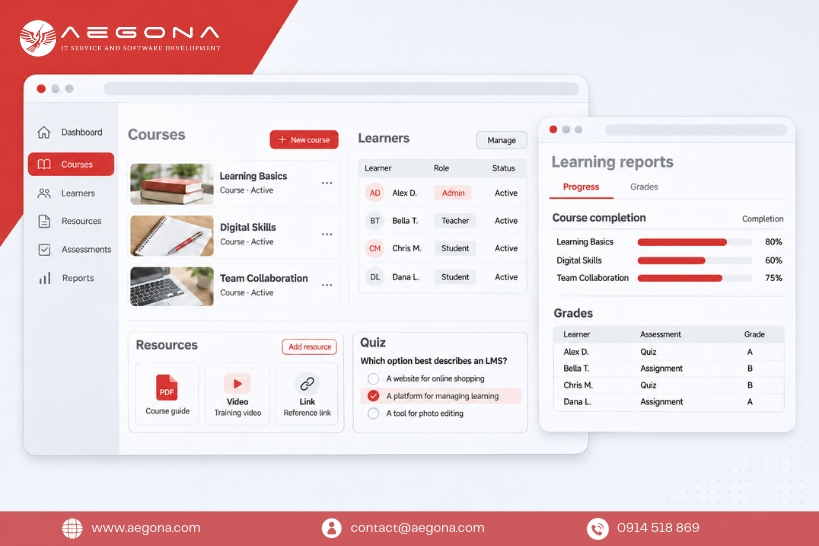
The Moodle LMS platform supports user account management and role-based permissions for administrators, instructors, and learners. Authorized users can manage course enrollment, configure access permissions, and assign responsibilities according to their roles.
For organizations running multiple training programs, this structure helps establish clear administrative responsibilities. However, more complex requirements, such as permissions based on multi-level corporate hierarchies, may require additional configuration or custom development.
Digital Learning Content Management
A major advantage of Moodle LMS E-learning is its support for various learning resources, including documents, PDF files, videos, web links, and interactive learning activities. Instructors can combine multiple content formats to accommodate different learning objectives and teaching methods.
For instance, a sales training program might include product demonstration videos, downloadable process guidelines, and scenario-based exercises. Combining these resources allows learners to engage with practical situations rather than relying exclusively on written materials.
Online Assessments and Learning Evaluation
Moodle provides tools for building question banks, creating online quizzes, and configuring different assessment methods. Depending on the question type, assessments may be graded automatically or reviewed manually by instructors.
Businesses can use these capabilities to evaluate employees' understanding of internal procedures, product information, or compliance requirements. Nevertheless, assessment scores should be considered alongside other performance indicators when evaluating the overall effectiveness of a training program.
Learning Progress Tracking and Reporting
Moodle includes features for monitoring learner activity, grades, and course completion. Training administrators can use this information to identify participants who have not completed required modules or may need additional support.
For organizations conducting recurring training programs, centralized reporting can reduce the manual effort involved in tracking progress through spreadsheets. More advanced reporting requirements or integrations with human resource management systems may require plugins, additional configuration, or custom development.
3. Real-World Applications of Moodle LMS E-learning
Thanks to its flexibility, Moodle can support a wide range of learning environments. However, each organization has different requirements regarding user management, course delivery, assessment methods, and learning data.
Moodle LMS in Schools and Educational Institutions
Schools and educational institutions can use Moodle to organize online classes, distribute course materials, assign activities, and monitor academic progress. Teachers can structure learning content by subject, while students access the platform to complete assigned tasks and participate in learning activities.
However, implementing Moodle does not automatically ensure compliance with every educational regulation or institutional standard. Organizations must separately assess infrastructure, data security, assessment procedures, and applicable educational requirements.
Moodle LMS for Training Centers
Language schools, vocational training providers, and professional development centers can use Moodle to manage courses and learners. The platform supports learning content delivery, assignments, and performance tracking, reducing reliance on disconnected communication and document-sharing tools.
For example, a vocational training center could combine instructional videos with knowledge assessments before students participate in practical workshops. If the organization also requires tuition management, classroom scheduling, or admissions workflows, additional integrations or custom features may be necessary.

Moodle LMS for Corporate Training
In business environments, Moodle LMS E-learning can support employee onboarding, product training, internal process documentation, and recurring professional development programs. Instead of repeatedly delivering the same training sessions to different groups, organizations can create structured courses that employees complete according to their training schedules.
For instance, a company introducing a new product line could develop an online training course for its sales teams, followed by a knowledge assessment. Training managers could then review completion records to identify employees who need further guidance.
For enterprises with complex organizational structures, specialized certification requirements, or HR system integration needs, careful implementation planning is essential to ensure that Moodle aligns with existing workflows.
>>> Read more: E-learning Software and Learning Management System (LMS): Differences or Perfect Combination
4. Aegona's Custom LMS and E-learning Development Services
While open-source platforms such as Moodle provide established learning management capabilities, some organizations require systems designed specifically around their internal training processes. Aegona, a software development company, offers custom LMS and e-learning development services for businesses and educational institutions seeking tailored digital learning solutions.
Rather than applying the same platform structure to every organization, Aegona approaches LMS development based on training objectives, learner profiles, and operational requirements. Project scope and functionality can be defined according to actual business needs, helping organizations prioritize the capabilities that deliver practical value.
LMS Development Tailored to Training Operations
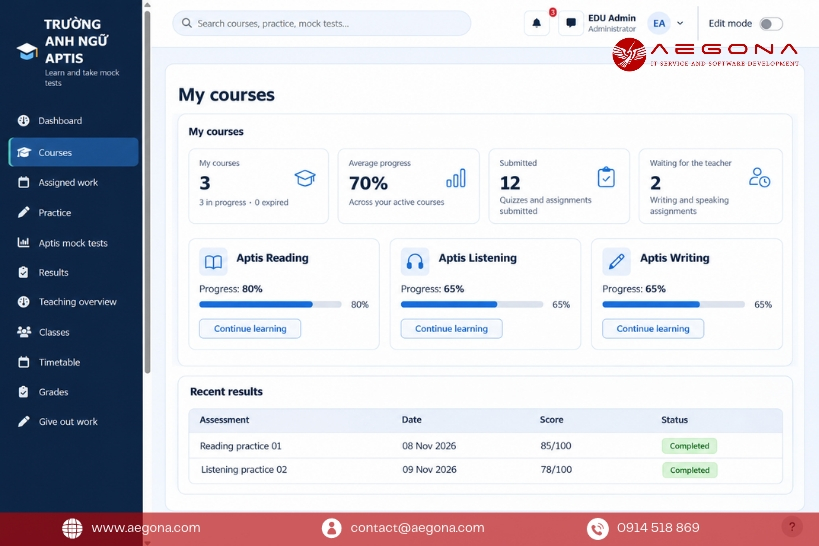
Aegona can develop LMS solutions with features for managing courses, classes, instructors, learners, academic years, and role-based permissions. Depending on project requirements, the system can also support instructor assignments, learning content organization, and training administration workflows.
For organizations with specialized processes, requirements analysis helps determine which capabilities should be developed first. This approach can reduce unnecessary development work and establish a clearer foundation for future enhancements.
Digital Learning Content and Online Assessment Features
Aegona's LMS development services can include learning content management features for text lessons, PDF documents, videos, audio files, and digital resource libraries. Online assessments, completion deadlines, and learning activity tracking can also be incorporated based on the organization's training requirements.
Additional capabilities, such as notifications, internal certificates, and learning result management, may be developed as part of the project scope. The specific functionality should be defined according to the organization's operational needs and long-term product roadmap.
Gamification for More Engaging Learning Experiences
Gamification is another capability that can be incorporated into Aegona's custom LMS solutions to encourage learner participation and motivation. Features such as badges, achievements, and completion recognition can be designed to support specific learning objectives.
However, effective gamification involves more than adding game-like elements to a user interface. Its value depends on how activities, incentives, and evaluation criteria are connected to meaningful learning outcomes.
Choosing the Right LMS Development Approach
Not every organization needs to build a learning management system entirely from scratch. Before choosing between Moodle LMS E-learning, extending an existing platform, or developing a custom LMS, organizations should consider their user base, training workflows, integration requirements, budget, and long-term maintenance strategy.
Aegona provides custom LMS and e-learning development services to help organizations build learning platforms aligned with their training objectives and future growth plans.
Contact Aegona to discuss your requirements and explore a custom LMS development solution tailored to your organization!
Contact Aegona for Consultation:
AEGONA LTD – IT Service & Software Development
[P] +84 28 7109 2939 (08:00 – 17:00, Mon – Fri)
[M] +84 914 518 869 | +84 869 731 689
[W] www.aegona.vn | www.aegona.com
[Zalo] https://bit.ly/41UeXrx
[HQ - Lab 1] Orbital Building (QTSC Building 9), Quang Trung Software City, Ho Chi Minh City, Vietnam
[Lab 2] QTSC 1 Building, Quang Trung Software City, Ho Chi Minh City, Vietnam
related post

84% of developers use AI, yet only 5.4% of firms fully trust its output. Discover how software companies divide work between humans and AI, and optimize costs with IT Staff Augmentation
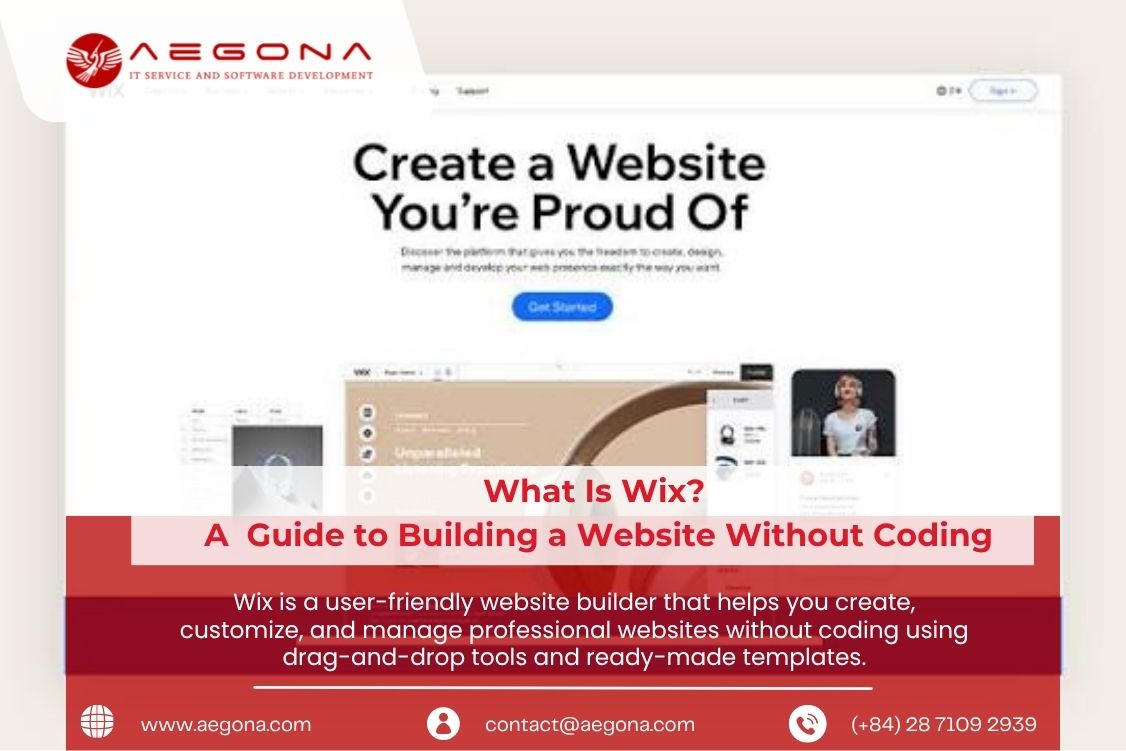
Wix is a user-friendly website builder that helps you create, customize, and manage professional websites without coding using drag-and-drop tools and ready-made templates.
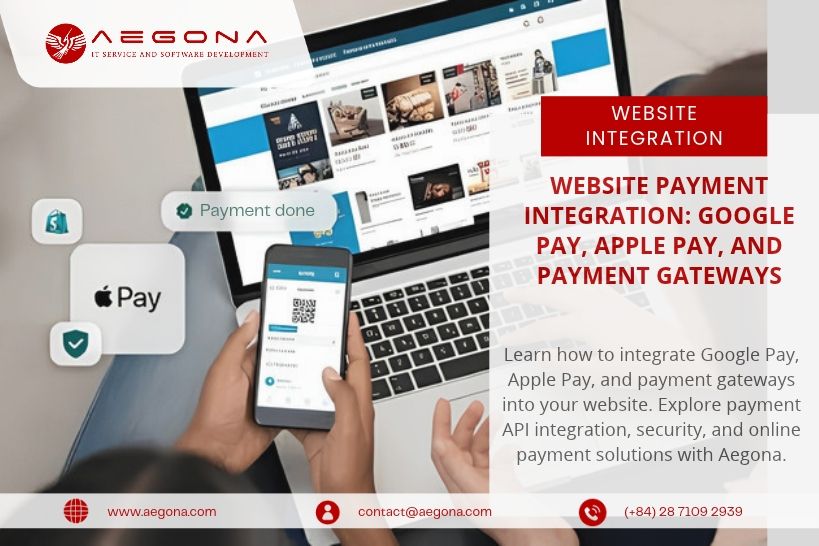
Learn how to integrate Google Pay, Apple Pay, and payment gateways into your website. Explore payment API integration, security, and online payment solutions with Aegona.
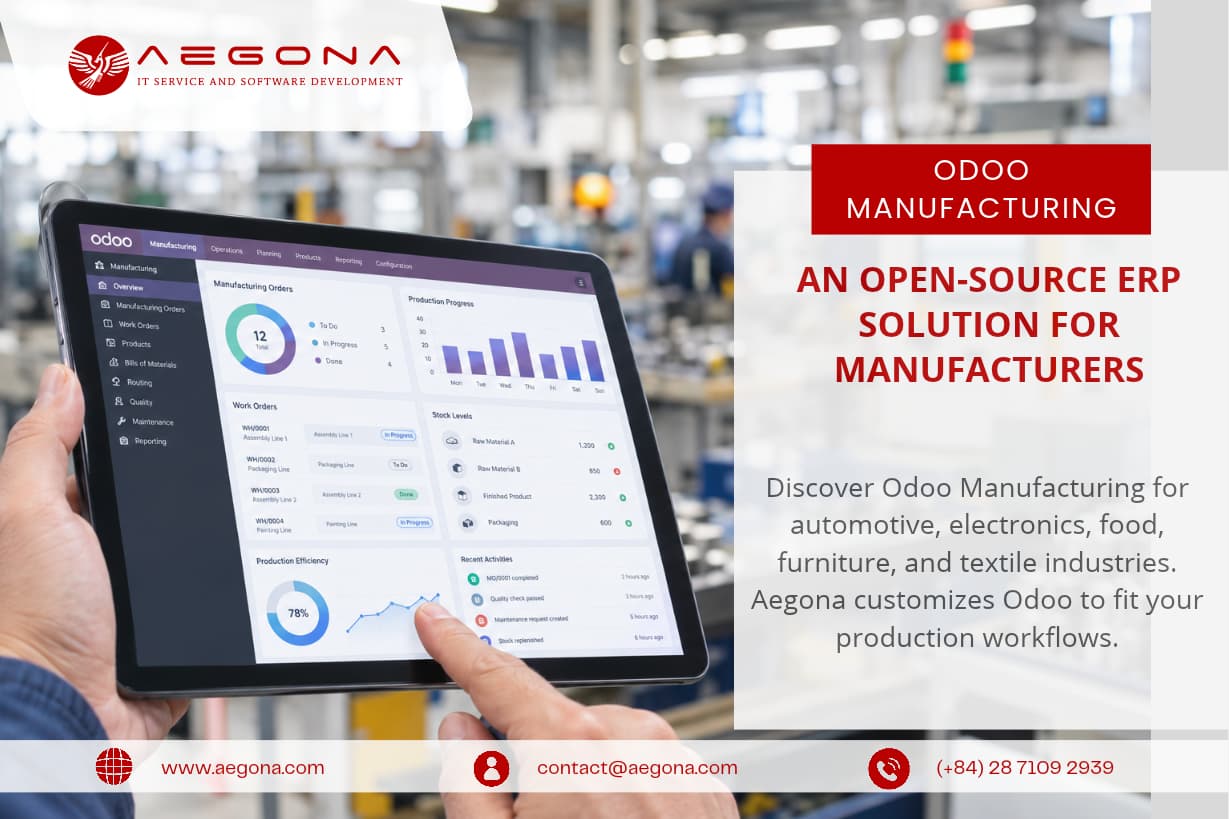
Discover Odoo Manufacturing for automotive, electronics, food, furniture, and textile industries. Aegona customizes Odoo to fit your production workflows.

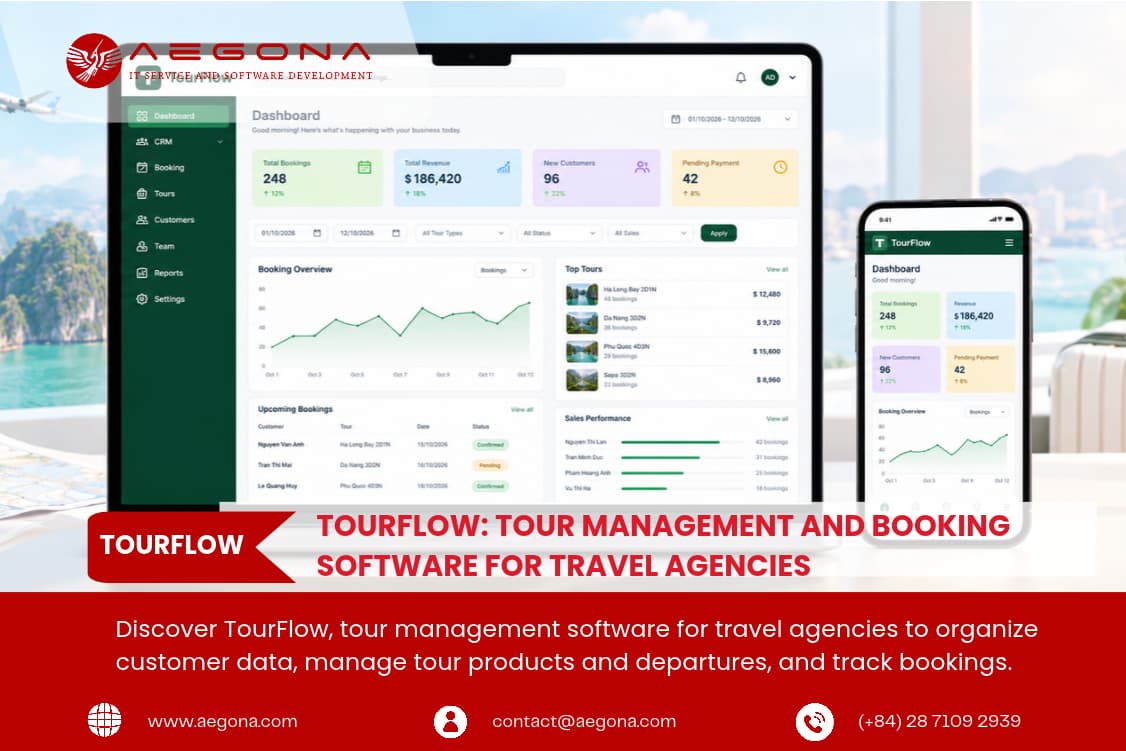
Discover TourFlow, tour management software for travel agencies to organize customer data, manage tour products and departures, and track bookings.

OpenAI Ads brings a new advertising opportunity to ChatGPT. Explore how ChatGPT Ads work and what businesses should know about advertising in the AI era.
Shopify website design and development tailored to your business, with custom themes, integrations, features, and maintenance.
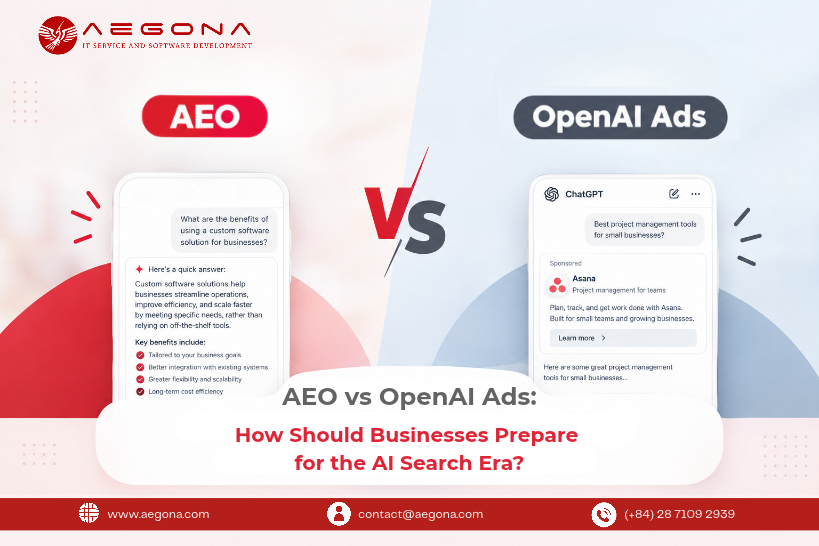
AEO vs OpenAI Ads: discover the difference between AI Search optimization and ChatGPT advertising, and what businesses should consider in the AI era.

Custom PoC/MVP development services by Aegona to validate software ideas, reduce development risks, and build scalable solutions for your business.
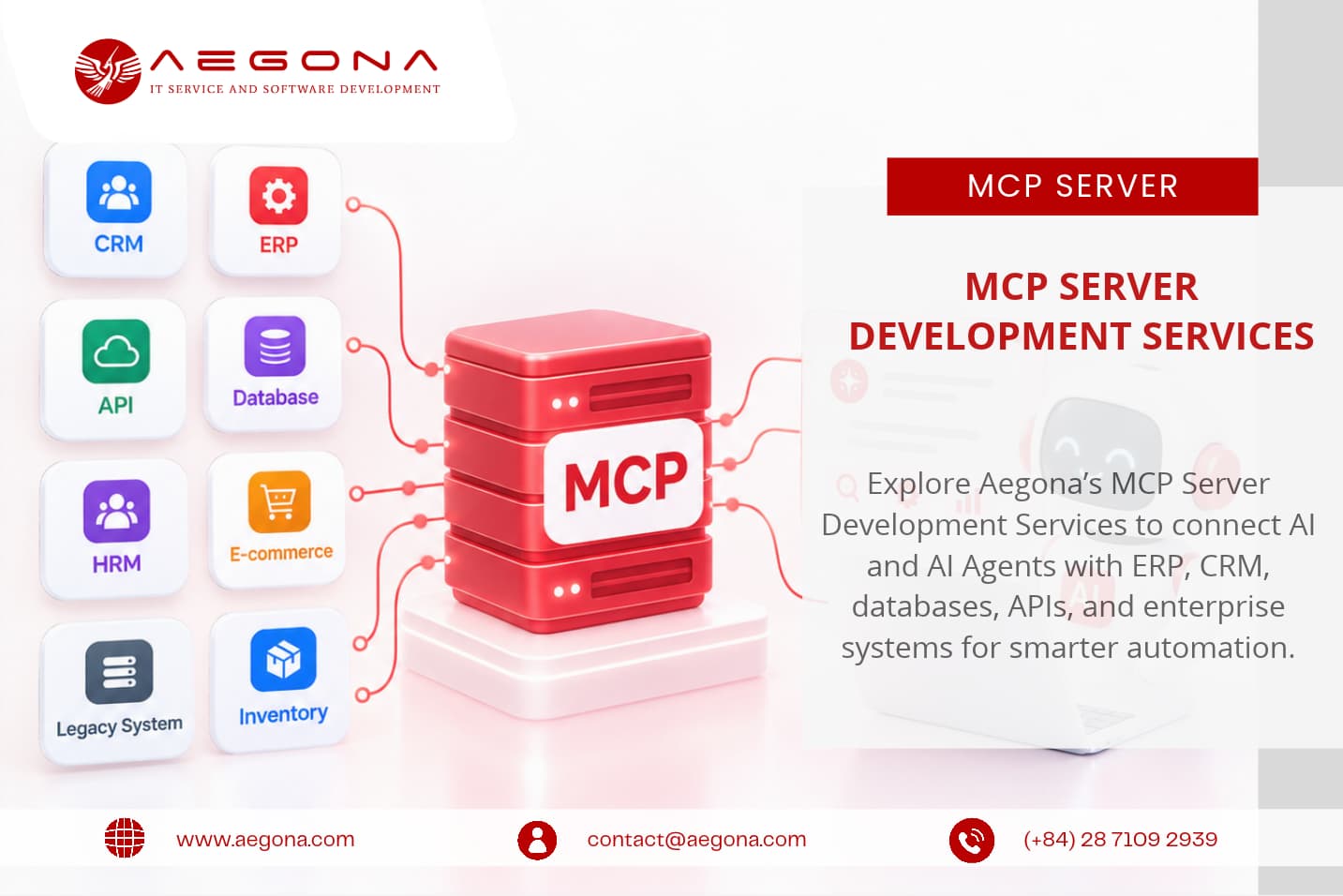
Explore Aegona’s MCP Server Development Services to connect AI and AI Agents with ERP, CRM, databases, APIs, and enterprise systems for smarter automation.
Scale your development team with Aegona’s Staff Augmentation Services. Hire skilled Java, PHP, Fullstack Developers in Vietnam for your projects.
AEGONA provides Odoo ODC services with flexible models, including Dedicated Odoo Developer, Dedicated Odoo Team, and Full Odoo ODC.